

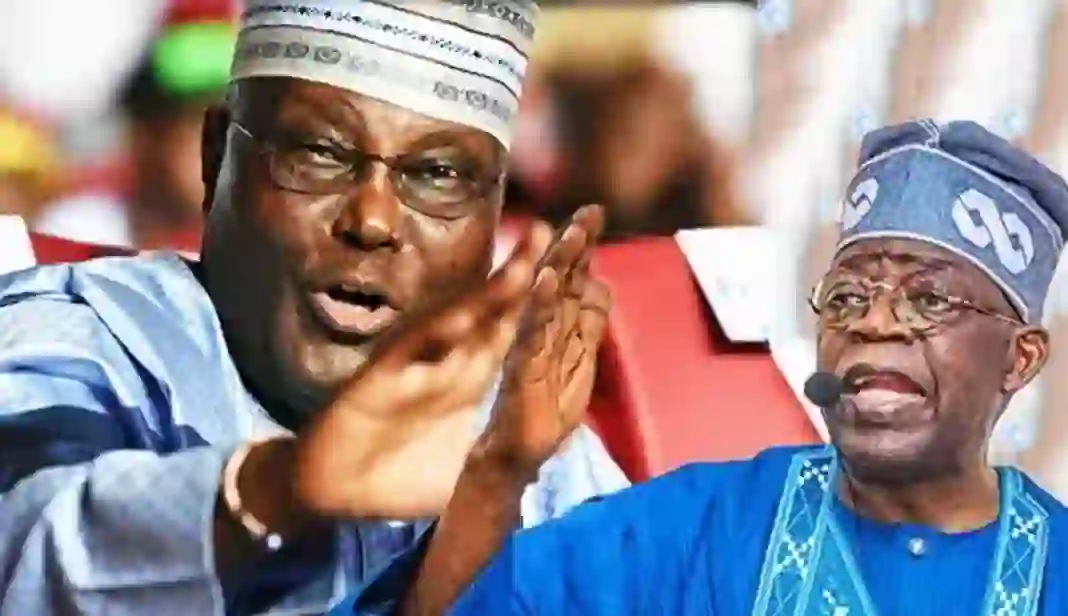

The International Monetary Fund, IMF, has waded into the ongoing fuel subsidy controversy, warning the Federal Government against restoring a blanket petrol subsidy, even as former Vice President Atiku Abubakar pushes for a production-support scheme to lower fuel prices, amid mounting pressure on President Bola Tinubu’s administration to ease the burden of rising living costs on Nigerians.
The IMF’s position comes days after the Federal Government announced a temporary N66–per-litre petrol discount at Nigerian National Petroleum Company, NNPC, Limited retail outlets, a move the government says is intended to cushion Nigerians against rising energy costs without reversing the 2023 subsidy removal.
The product, an essential for many households and businesses currently sells for N1,360 above depending on the part of the country.
The intervention has further intensified the debate over fuel pricing ahead of the 2027 general election, with Atiku’s African Democratic Congress, ADC, advocating government support for locally refined petroleum products, while the Tinubu administration maintains that a return to blanket subsidies would undermine fiscal stability.
Rodrigo Valdés, director of the IMF’s Fiscal Affairs Department, warned on Wednesday during a press briefing at the 2026 IMF and World Bank Group Annual Meetings in Bangkok, Thailand, that broad-based fuel subsidies were expensive, regressive and capable of worsening government finances.
“Protecting people is not the same as protecting the price of fuels,” Valdés said, arguing that governments should protect vulnerable households directly rather than subsidise fuel consumption across the board.
According to him, fuel subsidies and other measures preventing energy prices from adjusting fully to supply shocks cost countries between one and 1.5 per cent of gross domestic product in 2026.
He urged governments to redirect resources towards social safety nets and targeted assistance for households most affected by higher energy prices.
The IMF official’s remarks present a challenge for Nigeria, where the removal of petrol subsidy in May 2023 has remained a major source of economic and political debate, particularly as higher fuel prices feed into transportation, food and business costs.
Atiku Pushes For Subsidy Return
Atiku, the ADC’s presidential candidate for the 2027 election, has defended a proposed intervention that would shift government support from imported fuel to domestic crude oil production and refining.
The former vice president argues that Nigerians should not be left to bear the full burden of market-driven fuel prices without measures to cushion the impact on households and businesses.
Under his proposal, government support would be tied to locally refined petroleum products, with crude supplied below its market-equivalent value under a capped, transparently budgeted and independently audited framework.
Atiku has insisted that his proposal is different from the former subsidy regime, which he argues was vulnerable to opacity and abuse. His proposed model would exclude imported fuel from subsidy support and focus on strengthening domestic refining while lowering the cost of petrol to consumers.
The ADC’s National Publicity Secretary, Bolaji Abdullahi, reiterated the party’s position on Monday, arguing that the Tinubu administration removed the subsidy without adequately preparing Nigerians for the resulting economic hardship.
The party maintains that targeted production support could reduce fuel costs while strengthening local refining capacity.
The proposal, however, has drawn criticism from the Presidency and other opponents, who have questioned its fiscal implications and warned against reviving subsidy arrangements.
FG Offers N66 Petrol Discount
In a move that has further complicated the debate, the Federal Government has announced temporary relief measures following rising petrol prices.
NNPC Retail introduced a N66-per-litre discount on October 1 to mark Nigeria’s 66th Independence Anniversary. The discount was subsequently extended until October 31, while the government announced an additional arrangement under which the company would forgo its retail profit margin and sell petrol at cost for an initial 30 days.
Finance Minister Taiwo Oyedele said the measures were designed to cushion households and businesses against the impact of elevated global crude oil prices and petrol costs.
The government has also proposed negotiating a ceiling of N1,350 per litre on petrol’s ex-gantry or landing cost, subject to monthly reviews. Under the proposed arrangement, refiners and importers would absorb temporary increases in supply costs and recover their losses when prices ease.
The Presidency has maintained that these measures do not amount to restoring the former blanket subsidy regime, insisting that the interventions are temporary and intended to provide relief without reversing market-based pricing.
Atiku, however, has criticised the 30-day discount, describing it as inadequate and questioning what would happen when the relief expires.
He has also argued that the government’s intervention reinforces the case for his own proposal to support domestic production and bring down petrol prices.
The disagreement has placed the two approaches side by side: the Federal Government’s temporary retail-price relief and Atiku’s proposed production-based support for locally refined fuel.
IMF Recommends Targeted Relief
While the IMF acknowledged the hardship associated with higher fuel prices, it recommended targeted interventions rather than general subsidies.
Davide Furceri, a division chief in the fund’s Fiscal Affairs Department, suggested that governments could subsidise public transportation, introduce school feeding programmes and provide geographically targeted assistance to vulnerable households and farmers.
He argued that such measures would allow governments to protect those most affected by rising costs without extending the benefits indiscriminately to all consumers.
Furceri also acknowledged that some countries lacked the household registries and digital payment infrastructure needed to deliver targeted assistance effectively. He nevertheless urged governments to develop interim arrangements while strengthening their social protection systems.
The IMF’s recommendation raises questions about how Nigeria can reconcile the need to maintain fiscal discipline with growing demands for relief from the cost-of-living crisis.
For the Tinubu administration, the challenge is to ensure that temporary petrol discounts translate into meaningful relief for commuters, traders and businesses without creating another open-ended fiscal burden.
On the other hand, Atiku had offered an opportunity to advance an alternative economic policy centred on domestic refining, lower production costs and targeted government support for vulnerable Nigerians.

Discover more from The Source
Subscribe to get the latest posts sent to your email.