




By Ayodele Oni

Nigeria and South Africa have opened what looks like diplomatic engagement to end the strained relationship between the two countries occasioned by xenophobic attacks.
This is just as South Africa put up a defence adducing reasons for the renewed xenophobic attacks against Nigerians and other African migrants in the country.
According to a report on the Department of International Relations and Cooperation (DIRCO) website, the Special Envoy to Nigeria revealed that the purported crowning of Solomon Eziko as Igwe Ndigbo Na East London in KuGompo (formerly East London) in March caused widespread public concern across South Africa.
The Special Envoy revealed that as of July 7, more than 500 Nigerians had been arrested for offenses, including organised crime, illicit drug trafficking, and financial fraud.
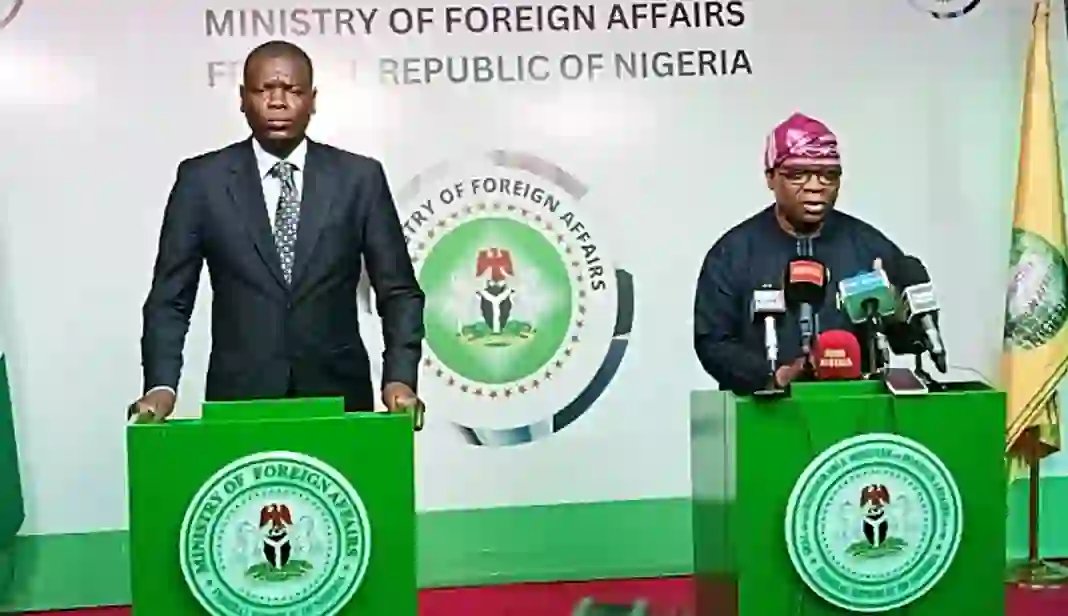
South Africa’s Minister of International Relations and Cooperation Ronald Lamola
cited instances where law enforcement officers faced violent resistance or obstruction during criminal investigations.
He said: “Regrettably, these incidents have fuelled negative perceptions surrounding Nigerian nationals living in South Africa over the years.
Diplomatic relationship between Nigeria and the Rainbow Nation is deeply fragile, following the xenophobic sentiments, which have led to the death of at least five Nigerians since citizen-led anti-immigrant groups organised demonstrations in Pretoria, Durban, Johannesburg, and other major cities in April, asking undocumented migrants to leave the country by June 30.
The death of Ibeh Simon in Bellville, Cape Town, during a South African Police Service (SAPS) operation last Thursday, deepened the diplomatic tensions between both countries, with Nigeria demanding an immediate, transparent probe into the latest killing, insisting that those responsible must be punished.
After delivering an official message from President Cyril Ramaphosa to President Bola Tinubu in Abuja, in a move to strengthen cooperation on migration between the countries, the Minister outlined specific areas of concern that have heightened recent tensions between the two nations in the message.
“Addressing these challenges firmly, fairly, and within the bounds of the law is vital for the well-being of both our nations.”
According to him, the law enforcement measures are evidence-based, targeting individual criminal conduct rather than profiling the broader, lawabiding Nigerian diaspora.
Both countries then agreed on the urgent need to de-escalate inflammatory rhetoric in public discourse and prevent hostile actions, per DIRCO.
The two governments reaffirmed that bilateral diplomacy and Pan-African solidarity remain the essential frameworks to ensure peaceful coexistence, safeguard human rights, and deepen historical ties between South Africa and Nigeria.
Discover more from The Source
Subscribe to get the latest posts sent to your email.