


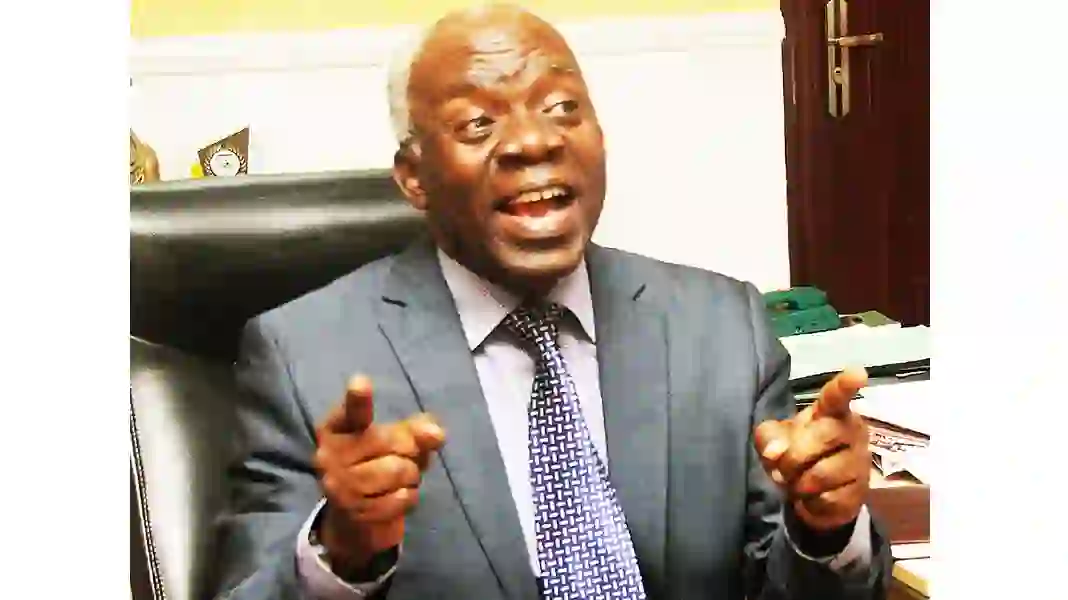

Human rights lawyer, Femi Falana, has questioned the accountability surrounding the Federal Government’s Lagos-Calabar Coastal Highway project, using the controversial multitrillion-naira road project to renew concerns about governance and the state of Nigeria’s democracy.
Falana, a Senior Advocate of Nigeria, SAN, lamented what he described as a “rickety democracy”, insisting that Nigerians did not struggle for democratic rule only to be denied the right to freely elect their leaders.
“We didn’t fight for this rickety democracy… that somebody will look at your face and say, oh, you should not vote,” the human rights lawyer said, while charging Nigerians to defend their votes.
His remarks come amid growing public scrutiny of the Lagos-Calabar Coastal Highway, a flagship infrastructure project of President Bola Tinubu’s administration, estimated at about N15 trillion. The 700-kilometre highway is intended to connect Lagos with coastal communities across the South-West and South-South regions.
The project has, however, come under renewed controversy following the Federal Government’s decision to alter parts of its original route, raising questions about project planning, engineering assessments, procurement and the economic benefits expected by communities along the coastal corridor.
At the centre of the dispute is Minister of Works, Dave Umahi, who has defended the route changes, arguing that the difficult terrain makes construction more expensive and requires engineering interventions that cannot be compared with those of roads built on ordinary ground.
Umahi explained that sections of the Ondo axis contained deep pits and lacked suitable sharp sand, necessitating extensive filling and ground improvement before the highway could be constructed. He questioned why the cost per kilometre should be expected to remain the same when the geological conditions were significantly different.
Discover more from The Source
Subscribe to get the latest posts sent to your email.