

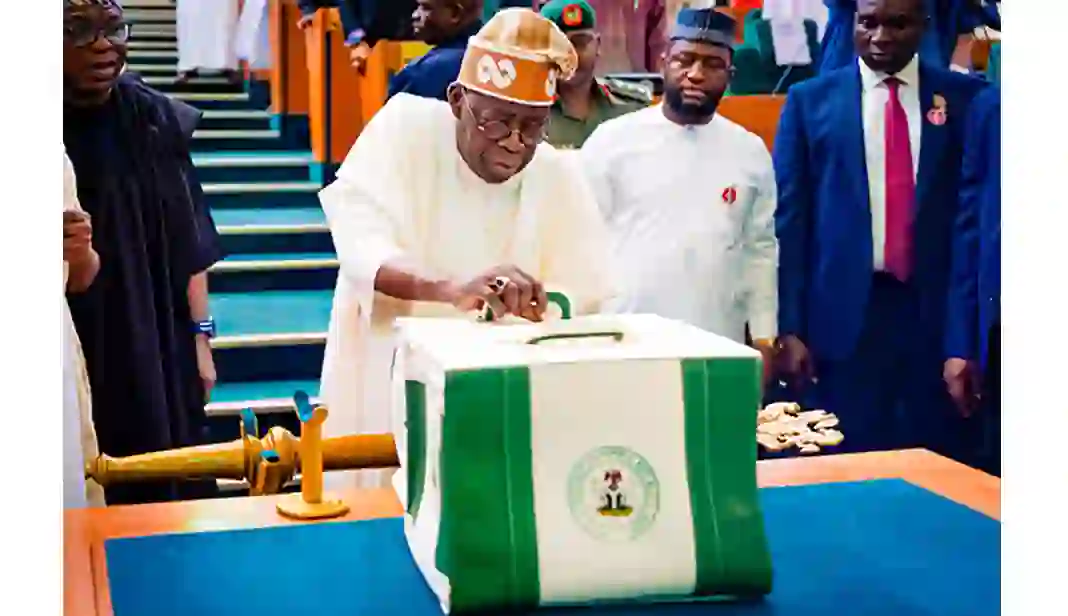

Nigeria has again failed the United States’ minimum fiscal transparency test, with Washington faulting the country’s budget process and describing the Office of the Auditor-General of the Federation as lacking the independence required to effectively scrutinise public finances.

The verdict is contained in the 2026 Fiscal Transparency Report released by the United States Department of State, which assessed 139 governments and the Palestinian Authority.
According to the report, only 73 of the 139 governments assessed met the minimum fiscal transparency requirements, while 67 failed. Of the countries that failed, 14 recorded significant progress, while 53 countries, including Nigeria, made no significant progress during the review period.
The assessment was based on information gathered between January 1 and December 31, 2025, from the US Embassy in Abuja, federal agencies, international organisations and civil society groups.
The latest finding means Nigeria has failed the US fiscal transparency benchmark for the second consecutive year, the report said.
At the centre of Washington’s concerns is Nigeria’s budget process, which the report described as lacking sufficient detail on government revenue and expenditure.
The US State Department said Nigeria’s budget documents did not provide a substantially complete picture of government revenues and spending, including adequate breakdowns of expenditure for executive offices.
A credible budget, according to the report, should clearly identify government income and spending by ministry, disclose revenue according to source and type, including oil and non-oil revenue, and provide information on allocations to state-owned enterprises and special accounts.
The report also raised concerns over discrepancies between approved budgets and actual implementation.
It stated that actual revenues and expenditures did not reasonably correspond with figures contained in the enacted budget.
The finding represents a deterioration from the US assessment released in 2025, when Washington said Nigeria’s budget documents provided a substantially complete picture of planned government expenditure and revenue and were generally reliable.
Another concern was the timing of the federal government’s executive budget proposal. The US said Nigeria did not publish the proposal within a reasonable period to allow citizens and lawmakers to properly scrutinise it before the commencement of the fiscal year.
Audit Office Under Scrutiny
The Office of the Auditor-General of the Federation also came under strong criticism.
The US State Department said Nigeria’s supreme audit institution did not meet international standards for independence and had failed to publish substantive audit reports.
The report noted that the Auditor-General’s office is expected to scrutinise the executed budget, verify annual financial statements and publish its findings within a reasonable period.
However, the US said that despite having access to the executed budget, the audit institution had not published the necessary reports.
Washington stressed that an independent and effective supreme audit institution was essential to ensuring that citizens and lawmakers could hold government accountable for the management of public funds.
Procurement Details Remain Opaque
The report also faulted Nigeria over the accessibility of public procurement information.
According to the US, information on government contracts was not sufficiently accessible to the public, while important details concerning natural-resource concessions were not routinely disclosed after contracts and licences were awarded.
Although the report acknowledged that Nigeria had established legal criteria and procedures for awarding natural-resource contracts and licences, it said basic information such as the geographical area covered, the resource involved, duration of the concession and the company awarded the contract was not made public.
The 2026 assessment also introduced a tougher requirement for governments to disclose the terms and conditions of sovereign loans, including liabilities and collateralised assets.
The US noted that Nigeria had made information on its debt obligations, including debts owed by major state-owned enterprises, publicly available, although it did not assess whether the country had met the new requirement concerning loan terms.
Meanwhile, the Presidency, however, said fiscal transparency, accountability and effective public financial management remained priorities of the Tinubu-led administration, aading that the government would continue implementing reforms aimed at improving the management, reporting and disclosure of public resources.
Discover more from The Source
Subscribe to get the latest posts sent to your email.