Ngozi Okonjo-Iweala, Director-General of the World Trade Organization, WTO, has faulted Nigeria’s poor maintenance culture. She described it as worrisome.
She urged the country to make it a duty to prioritize proper upkeep of infrastructure and public assets. That, she said, will achieve sustainable economic growth.
She said in enjoying sustainable growth, it was necessary for Nigeria to have a strong maintenance culture.
Okonjo-Iweala, a former Nigeria’s Minister of Finance/ Coordinator of the Economy, made the remark while speaking at the Delta State Economic and Investment Summit 2026, held in Asaba, Delta State Capital.
She said: “We lack good maintenance culture in Nigeria,” and highlighted it as one of the country’s longstanding development challenges.
She added that though Nigeria has invested significantly in infrastructure and public projects over the years, inadequate maintenance often led to rapid deterioration of facilities, resulting in avoidable costs and reduced economic value.
At the moment, the Federal and State Governments have continued to seek strategies for attracting investment, improving infrastructure, and driving economic development, the statement of the WTO DG has become an eye opener in prioritizing and maintaining its assets and infrastructures at all levels.
The Delta State Economic and Investment Summit brought government officials, business leaders, investors, and development partners to explore opportunities for economic growth, investment, and sustainable development in the State.
On July 28, 2026, the Catholic Bishops’ Conference of Nigeria (CBCN), led by its President, the Most Reverend Matthew Man-Oso Ndagoso, Archbishop of Kaduna, paid a courtesy visit to President Bola Ahmed Tinubu at the Presidential Villa in Abuja. It was not an unusual visit. For decades, the Catholic bishops have maintained a tradition of engaging successive governments — military and civilian alike — offering commendation where it is deserved and constructive criticism when the national interest demands it.
During the meeting, the bishops spoke candidly about the state of the nation. Their address was neither inflammatory nor partisan. Rather, it reflected the anxieties of millions of Nigerians who struggle daily with insecurity, economic hardship, and declining living standards. Their words were unmistakable: “When the security situation in the country is taken together with the deterioration and near collapse of the power sector, the sorry state of our roads, the economic hardship, one wonders how much of the renewed hope agenda flaunted by your administration is being realized. Mr. President, our nation is bleeding. The citizens are suffering and crying… They expect concrete action that engenders some change in their condition.” That statement neither insulted the President nor questioned the legitimacy of his government. It simply echoed what millions of Nigerians discuss every day — in markets, on commercial buses, in offices, classrooms, churches and homes.
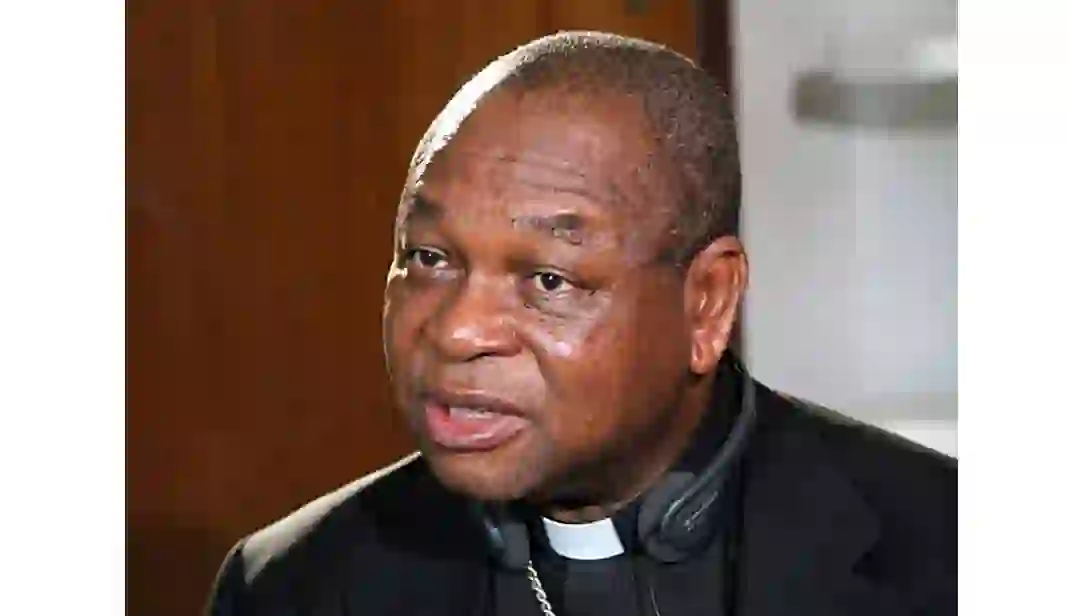
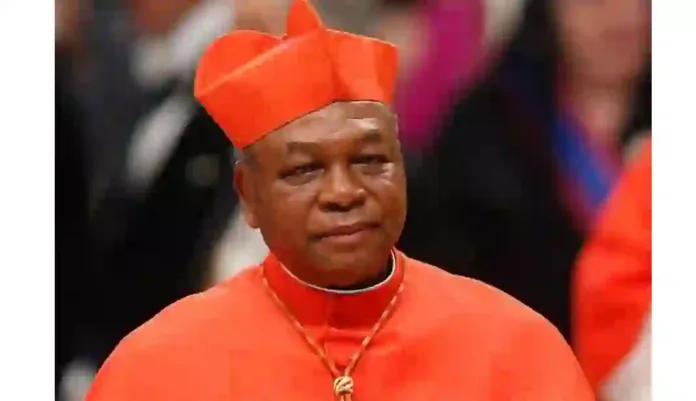
A few days later, Cardinal John Onaiyekan appeared on ARISE Television and recounted the exchange with the President. According to the Cardinal, President Tinubu disagreed with the bishops’ assessment, insisting that the economy was improving and urging Nigerians to recognise the gains of his administration. Such differences of opinion are perfectly normal in every democracy. What should never be normal, however, is what followed. Rather than respond to the substance of the bishops’ concerns, some presidential aides and political loyalists chose instead to attack Cardinal Onaiyekan personally. He was accused of abusing “clerical privilege”, dabbling in partisan politics and deliberately misrepresenting the President. Nothing could be further from the truth. The attacks on Cardinal Onaiyekan reveal less about the Cardinal than about those making them. They substitute abuse for argument, character assassination for reasoned engagement, and propaganda for honest public discourse.
Those who portray the Catholic Bishops’ Conference of Nigeria (CBCN) as an opposition platform either suffer from historical amnesia or have chosen to ignore the country’s political history. Long before Bola Ahmed Tinubu became President, the CBCN had earned a reputation as one of Nigeria’s most respected moral voices. Its interventions have never depended on the political party in power. They have depended on whether justice, human dignity and the common good were being protected. That consistency, not political convenience, is what gives the bishops moral authority today.
Cardinal John Onaiyekan did not suddenly discover his prophetic voice after Tinubu assumed office. His public record spans over four decades. As Bishop of Ilorin in the early 1980s, he joined the CBCN in condemning electoral malpractice, political violence and the erosion of democratic values during the Second Republic. Under General Muhammadu Buhari’s military regime, the bishops criticised detention without trial and restrictions on press freedom while insisting that even the fight against corruption must respect due process.
Cardinal John Onaiyekan
When General Ibrahim Babangida annulled the June 12, 1993 presidential election won by Chief M. K.O. Abiola, a Muslim, the CBCN condemned the annulment as a betrayal of democracy and rejected policies that imposed disproportionate hardship on ordinary Nigerians. The bishops challenged the Interim National Government under Ernest Shonekan, condemned the human rights abuses committed by General Sani Abacha, demanded the restoration of democratic rule, and consistently advocated for the release of Chief M. K.O. Abiola.
During General Abdulsalami Abubakar’s transition programme, they insisted on credible elections. Under President Olusegun Obasanjo, Cardinal Onaiyekan became one of the leading moral voices against the unconstitutional Third Term Agenda, while also criticising flawed elections, corruption and the crisis in the Niger Delta. The bishops welcomed President Umaru Musa Yar’Adua’s admission that the 2007 elections were flawed but continued to press for electoral reforms and decisive action against poverty and insecurity.
They challenged President Goodluck Jonathan over Boko Haram, the Chibok schoolgirls’ abduction and corruption while applauding his statesmanship in conceding defeat after the 2015 election. Throughout President Muhammadu Buhari’s civilian administration, Cardinal Onaiyekan remained outspoken against worsening insecurity, herders’ violence, nepotism and weaknesses in the electoral process, even while acknowledging policies he considered beneficial.
Today, under President Tinubu, the message remains the same. The faces have changed. The principles have not. To accuse Cardinal Onaiyekan of partisanship is therefore to ignore four decades of consistent moral witness. Curiously, many critics have ignored the portions of the bishops’ address where they praised President Tinubu. They commended the Nigerian Education Loan Fund (NELFUND) initiative for expanding access to higher education. They congratulated the administration on the successful rescue of kidnapped schoolchildren in Oyo State and acknowledged improvements in certain security operations. That is hardly the language of political opponents. It is the language of patriots. Responsible citizens commend what deserves commendation and criticise what demands correction. Constructive criticism is not hostility. It is citizenship.
Some have accused Cardinal Onaiyekan of venturing into politics. That argument betrays a profound misunderstanding of both the Church and democracy. The Church does not exist merely to celebrate Mass or administer the sacraments. From the Old Testament prophets to contemporary Catholic social teaching, defending justice, protecting human dignity and promoting the common good have always formed part of its mission. Nathan confronted King David. Elijah challenged King Ahab. John the Baptist rebuked Herod. Throughout history, courageous church leaders —from St. Óscar Romero in El Salvador to Archbishop Desmond Tutu in South Africa — have reminded rulers that political authority is accountable not only to history but also to God. The Catholic Bishops’ Conference of Nigeria stands firmly within that prophetic tradition.
Those who accuse Cardinal Onaiyekan of entering politics should also remember that he speaks with the same moral voice that resonates from the Vatican. Since his election, Pope Leo XIV has consistently appealed to world leaders to place human dignity above political calculations. During the recent escalation involving Iran and the continuing war in Gaza, he repeatedly called for restraint, dialogue and an immediate ceasefire. He lamented the enormous humanitarian suffering of innocent civilians and warned that military escalation would only deepen instability and multiply human misery. The Holy Father has not calibrated his moral interventions according to whether they would please or offend powerful governments. Whether speaking about Israel and Palestine, the United States, Iran, Ukraine or other global conflicts, his concern has remained constant: the sanctity of human life, justice and lasting peace. That is precisely what the Catholic Church has always done.
When governments adopt policies that produce unnecessary suffering or when political decisions undermine justice, peace and human dignity, the Church believes it has not merely the right but the moral obligation to speak. Silence, in such circumstances, would amount to moral failure. It is therefore neither extraordinary nor partisan that the Catholic Bishops’ Conference reminded President Tinubu that millions of Nigerians continue to endure severe economic hardship. Nor was it improper for Cardinal Onaiyekan to recount, truthfully and respectfully, the substance of that conversation.
There is, however, an irony that should not be overlooked. Many of those who applaud Pope Leo XIV for courageously challenging powerful nations over Gaza, Palestine, Iran, and the humanitarian consequences of war are among those condemning Cardinal Onaiyekan for speaking about hunger, insecurity, and poverty in Nigeria. Conversely, some who dismiss the Pope as interfering in politics are now accusing the Nigerian bishops of doing exactly what the universal Church has always done. Such selective outrage is not principled. It is political. One cannot celebrate the Church’s prophetic voice when it speaks in Rome and then seek to silence it when it speaks in Abuja. The message is the same. Only the geography has changed.
Ironically, President Tinubu himself built much of his democratic credibility by challenging military dictatorship and opposing authoritarian rule. A democrat, more than anyone else, should welcome dissent. Strong democracies are not weakened by criticism. They are strengthened by it. Governments should worry less about critical voices and more about the conditions that produce them. The CBCN did not create inflation. It did not manufacture unemployment. It did not collapse Nigerians’ purchasing power. It merely articulated realities already being experienced across the country. Silencing bishops will not reduce food prices or the price of a liter of fuel. Vilifying Cardinal Onaiyekan will not improve electricity supply. Attacking the Church will not make highways safer. Facts remain stubborn things.
There is something profoundly troubling about a government that chooses to attack the messenger instead of confronting the message. If presidential aides genuinely believe that the bishops exaggerated Nigeria’s economic condition, they have every democratic right to disagree. But disagreement should be supported with facts, not insults. Demonstrate, with evidence, how household purchasing power has improved. Explain when the sacrifices Nigerians are making will translate into measurable improvements in their daily lives. Engage the argument. Do not malign the messenger. Character assassination is not governance. It is an admission that one has run out of persuasive arguments.
History teaches us that nations rarely decline because courageous people spoke uncomfortable truths. They decline because leaders surround themselves with people who tell them only what they wish to hear. Every successful administration needs critics as much as it needs loyalists. The loyalist applauds achievements. The patriot identifies blind spots. The wise leader listens to both. The Catholic Bishops’ Conference of Nigeria has earned the moral authority to speak because it has consistently defended principles rather than political parties. Cardinal John Onaiyekan has challenged governments led by Shagari, Buhari (military), Babangida, Shonekan, Abacha, Abdulsalami, Obasanjo, Yar’Adua, Jonathan, Buhari (civilian) and now Tinubu. That is not partisanship. That is consistency.
If Pope Leo XIV can respectfully challenge the actions of powerful governments regarding Gaza, Palestine, and Iran, and the humanitarian consequences of war, without anyone questioning his spiritual vocation, why should Cardinal John Onaiyekan or the Catholic Bishops’ Conference of Nigeria be vilified for speaking about hunger, insecurity, and economic hardship in their own country? The Church’s prophetic voice does not stop at national borders, nor does it fall silent at the gates of Aso Rock. Those attempting to crucify the CBCN and Cardinal Onaiyekan on the altar of lies should remember that history is almost always kinder to those who speak truth to power than to those who seek to silence them. Nigeria needs fewer attack dogs and more honest conversations. The bishops have started one. The government should have the courage to join it.
Dr. Onyima is an accomplished Journalist, Media Consultant and Administrator
If Mr. Peter Obi speaks, it is understandable that a group of thugs always comes after him. Members of that group are characters like Festus, Daniel Bwala, Reno Omokri, Professor in Practice, Bayo Onanuga, Femi Fani-Kayode, and Kenneth Okonkwo, who honoured those who taught him by surpassing them. We also have aspiring members, such as the Omasi-born Dr. Chukwuma Joel Kpontus Okafor, who was expelled from the three seminaries he attended. He goes about telling people that, since we started paying attention to him, he is now being recognised. We shall not relent in that attention.
These ethereal, venal mobs are intent on patricide against our great father – the country of Nigeria. Their mode of operation is always the same: they keep infuriating the people with their daily drench of nonsense, even presenting PBAT’s farts as though they carried a sweet aroma, while urging us to forget the evils of the time. Even when PBAT did not have primary and secondary school certificates, they argued that this was what distinguished great men. Yet, even if one obtained a school certificate through correspondence studies, would there not still be certificates that could be produced and referenced?
Yes, one may even say they feel justified in attacking Peter Obi because they see him as a danger to their continued stay in office. They see him as a voice that has remained a source of discomfort to them till today. They see him as the man who almost prevented their emergence in 2023 until one of them invoked a non-existent glitch to truncate the will of the people.
A few days ago, the Catholic Bishops’ Conference met with the President. They simply told him the truth about Nigeria. And you saw how Tinubu reacted. The man who slurs when he speaks, or sometimes speaks unintelligibly, suddenly roared like a lion and almost told the bishops that they were lying. What gave him that new-found energy he has refused to deploy in fighting terrorism or fixing the economy? This shows that his primary concern is how to continue as President, not the problems of the country. He is madly in love with the dark labyrinths of power.
Do you think what he is doing is new? Not at all. When you pry into history, you will discover that there was almost nothing those who governed states had not done, or would not do, to sustain themselves in power. Some even went as far as destroying their own realms.
I read many years ago of a king who, terrified of assassination and constant conspiracies during the later years of his reign, had the walls of the portico (colonnade) where he took his daily walks lined with phengite – a highly polished, translucent stone. The reflective stone acted as a series of mirrors, allowing him to see anything happening behind his back, including would-be assassins, as he walked. That king was the Roman Emperor Domitian.
I also read about Mithridates VI, the King of Pontus and one of the Roman Republic’s most formidable enemies. He lived in constant fear of being poisoned by political rivals or even family members. To protect himself, he systematically ingested tiny, non-lethal doses of various poisons, combined with antidotes, to build up a biological immunity against a variety of toxins available in his realm.
From what men of old did to preserve themselves in power, would anyone be surprised at what a President’s minions do when they sense that their positions are threatened by the truth? Their reaction against the Catholic bishops is violent. In the normal way they destroy the country, they immediately sought to pitch the bishops against the people by reducing their intervention to Catholics only. Have you seen how wickedly men seek to destroy religion by pitching adherents against one another? The Catholic bishops evidently spoke as Nigerians who are part of the suffering of Nigerians, and not as representatives of one religious body.
The heat was much greater against Cardinal Onaiyekan for daring to relate their encounter with the potentate at Aso Rock. Despite all this, Cardinal John Onaiyekan spoke to Arise Television with engaging honesty. His words and demeanour bespoke a mind serene, mature, erect, and firm. Nigerians were heartened to hear such a courageous voice in a country where many religious leaders are busy singing the praises of Mr. President according to how well their palms have been lubricated. Henceforth, the treatment meted out to Cardinal Onaiyekan will remain a standard by which to gauge Tinubu’s attitude towards real or imagined opposition.
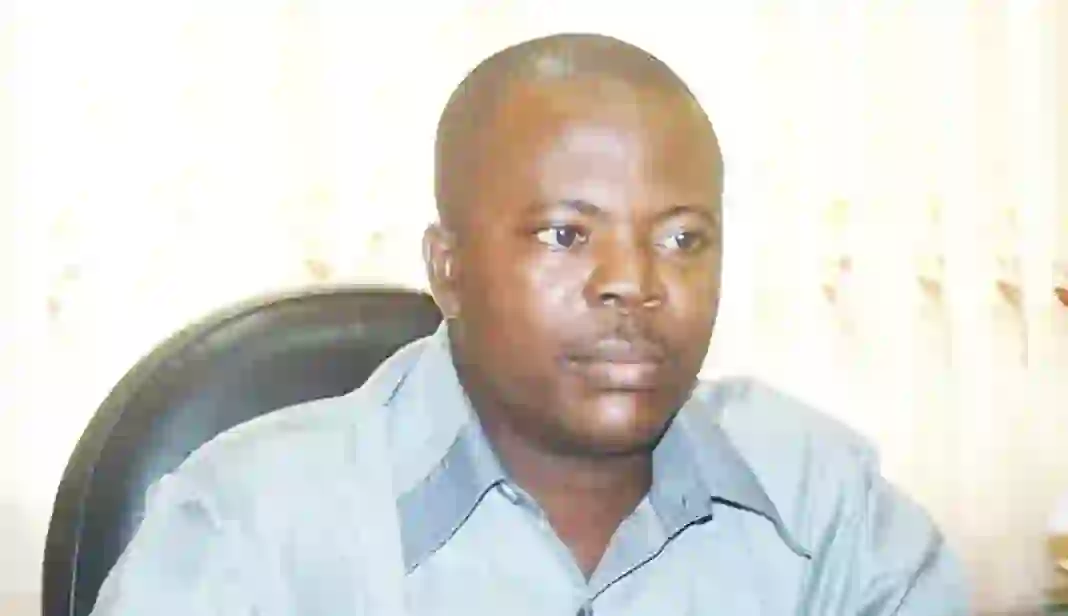
Valentine Obienyem
The Catholic bishops are merely imagined opponents because nobody can reasonably doubt their sincerity or their commitment to remaining the authentic voice of the people.
The Cardinal, being over eighty years old, should have been regarded as being beyond constituting a danger to the state, yet see how they are impugning him. I even read one of our brothers attempting to link him to the Ahiara controversy. Ironically, the man making that allegation was among those who sponsored some of the renegade members of the Ahiara Diocese to openly protest against the Church during that fevered period.
It must be admitted that Nigerians are passing through difficult times. At such a moment, the nation needs men and women with the courage to tell those in authority the truth, however uncomfortable it may be. That is precisely what the Catholic bishops and Cardinal John Onaiyekan did. They neither insulted the President nor sought political advantage. They simply articulated the anxieties and sufferings that millions of Nigerians experience daily. However difficult the country may be, the bishops would be immune to its hardships if they cared only about themselves, but they are there for you and me. The mark of a good shepherd is that he smells like his sheep.
A government that is confident in its record should welcome such frank counsel rather than leading , and subsequently, unleashing attack dogs against respected voices. The measure of any democracy is not how it treats those who praise those in power, but how it responds to those who speak uncomfortable truths.
If an octogenarian Cardinal, whose life has been devoted to God, the Church, and the service of humanity, can be subjected to such coordinated vilification and stinking ridicule – to the point of even dragging the Ahiara controversy into the matter – merely for speaking honestly, then every Nigerian should pause and ask: Is this the way we are? More importantly, is this the kind of Nigeria we wish to bequeath to future generations?
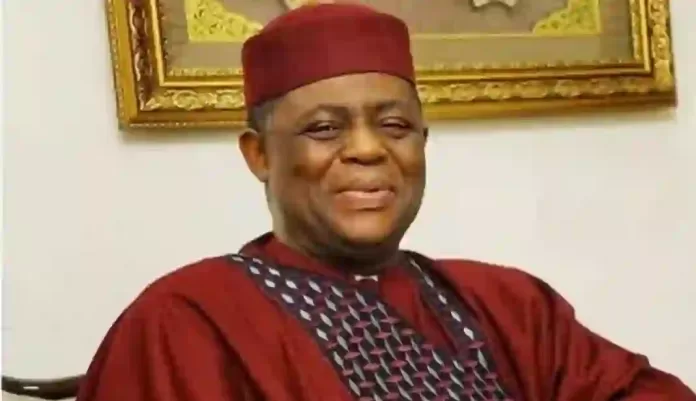
Amidst calls for retaliatory actions by Nigeria against South Africa over xenophobic attacks, Nigeria’s Ambassador-designate to South Africa, Femi Fani-Kayode, has urged stronger ties between the two countries.
Fani-Kayode, although he condemned tbe attacks, which led to the death of some Nigerians, called for renewed commitment to the relationship between Nigeria and South Africa.
In a Facebook post, he warned that worsening tensions between the two countries could undermine decades of African solidarity and weaken the continent’s collective future.
In the first part of his commentary titled “A Bond That Must Never Be Broken”, Fani-Kayode described Nigeria and South Africa as the two principal pillars of Africa’s political and economic influence.
Tbe former Aviation Minister stated that their destinies are closely intertwined and that cooperation between them is essential for the continent’s progress.
He argued that Africa must reject divisive tendencies by promoting good governance, unity and mutual respect, noting that leadership failures and conflicts among African nations only reinforce negative stereotypes about the continent.
Despite advocating stronger bilateral ties, Fani-Kayode expressed concern over recurring xenophobic attacks against Nigerians in South Africa.
He condemned the reported killings of Nigerian nationals, displacement of residents and destruction of businesses, while criticising comments attributed to South African Presidency Minister Khumbudzo Ntshavheni, saying such remarks unfairly stereotype Nigerians and risk escalating hostility.
The former Minister supported Nigeria’s Ministry of Foreign Affairs for condemning the attacks and inflammatory statements, insisting that the protection of Nigerians abroad must remain a national priority.
He noted that continued violence could warrant further diplomatic measures if the situation remains unresolved.
While commending South African officials who have continued to engage Nigeria through diplomacy, Fani-Kayode urged both governments to strengthen dialogue, address emerging challenges and preserve a partnership forged during the struggle against apartheid.
According to him, maintaining strong Nigeria–South Africa relations is vital not only for the two countries but also for Africa’s peace, economic growth and global influence.
Nigeria is among the list of 10 West African Countries whose citizens may be required to make a deposit of up to $20,000 (about N27m) before having their applications for visas processed by the US authorities.
The payment of the bond does not guarantee automatic approval of applications and issuance of visas.
These were the fulcrum of new guidelines released by the United States of America’s Department of State which citizens of some countries within the West African subregion have to meet before having their visa applications considered.
According to the US, the essence of the payment of the bond is to ensure that applicants, when finally granted visas, do not stay beyond the official period approved.
The bond which can be paid directly by the visa applicant, or through a third party including family members, relations, friends or business associates residing in or outside the USA, must be fully paid in dollars.
Similarly, the bond will equally be returned fully in dollars by the authorities in the event that the Department of Homeland Security attests that the visa holder departed the US on or before the expiry of the period granted.
The authorities are also expected to return the bond to the visa holder,and the third party , otherwise refered to as the “obligor” if the visa owner does not travel to the US before its expiry.
Additionally, the bond will also be cancelled, if the visa application is denied by the authorities.
However, any payments made without the approval and direction of a consular officer will not be refunded.
Consequently, authorities advised that applicants follow Bond terms which are clearly set out on the Department of Homeland Security’s Form 1-352 Immigration Bond .
According to the Department of State, the new visa rules which applies to applicants seeking short-term US Visas are targeted at preventing abuses, especially visa overstays.
Besides Nigeria, other West African countries captured by the visa bond policy which kicked off from January 21,2026 are Cote D’Ivoire ( Ivory Coast) ,the Gambia , Guinea-Bissau , Mauritania and Cabo Verde ( Cape Verde)
Others are Senegal, Ghana, Togo , Guinea and Benin Republic.
The affected countries are among those generally classified by the US authorities as high-risk for overstaying their visas .
Again, another high profile Cleric, Bishop of Owo, Anglican Diocese, His Lordship, the Rt. Rev. Stephen Fagbemi, has expressed worries over Nigeria’s worsening economic hardship, rising insecurity and the declining standard of living.
The Cleric, has, therefore, called on governments at all levels to take urgent steps to restore hope and improve the welfare of citizens.
Bishop Fagbemi expressed his worries in his charge at the Second Session of the 15th Synod of the Diocese held at St. Paul’s Church, Imoru, Ose Local Government Area of Ondo State.
He pointed out that Nigerians are facing enormous economic challenges, with the cost of living remaining beyond the reach of many families.
The Bishop noted that despite rising taxation and economic reforms, many Nigerians still struggle to afford basic necessities, while access to quality healthcare has become increasingly difficult due to high medical costs.
“Many citizens now resort to traditional herbs and other unconventional treatments because hospital services are beyond their reach, a development he described as dangerous”.
Bishop Fagbemi lamented the absence of adequate support for pregnant women and families grappling with the economic situation.
Looking ahead to the 2027 general elections, Bishop Fagbemi urged Nigerians to avoid making hasty political decisions driven by frustration.
Instead, he called on citizens to pray for the present administration to succeed in addressing the country’s economic and governance challenges.
On insecurity, Bishop Fagbemi described the situation as alarming, saying fear of kidnapping and violent attacks has made travelling by road increasingly unsafe across the country.
He expressed concern over the abduction of traditional rulers, security personnel and innocent citizens, citing the recent kidnapping of school teachers and pupils in Oriire Local Government Area of Oyo State as an example of the country’s security challenges.
While the victims have since regained their freedom, the Bishop said the incident underscored the urgent need for government to strengthen security measures and prevent future occurrences.
Bishop Fagbemi called on the Federal Government to declare a state of emergency on insecurity and adopt more proactive measures to combat criminality.
He advocated wider consultations with security experts, local security outfits, hunters and international partners, while recommending the deployment of drones and helicopters to strengthen surveillance and security operations nationwide.
The Bishop warned that insecurity was already affecting farming, commerce and social activities, as many people now avoid travelling or attending public gatherings for fear of attacks.
Immediate past Registrar of the Joint Admissions and Matriculation Board, JAMB, Prof Ishaq Oloyede has expressed serious concern and regret that parents are the greatest enablers of examination malpractices among their children and wards.
On an Arise Television Interview, Oloyede, a University of Ilorin Professor of Islamic Studies, noted that over 90 percent of children involved in the acts of cutting corners in examinations are goaded into such odious practice by their parents and guardians.
He described the ugly development as his greatest challenge throughout his one decade sojourn at the Examination body.
According to him, experience has shown that most candidates are pressured by parents into indulging in fraudulent practices during examinations.
He lamented that parents, rather than encourage their children to subscribe to principles of integrity, honesty and hardwork, resort to introducing them to short-cuts and fraudulent means of achieving results.
Oloyede expressed serious disappointment that parents by introducing their children early to the world of crime, are wittingly, or unwittingly, ruining the future of the next generation of the country.
“They are introducing their wards, their children, to the world of crime. Most of the candidates are not problematic. They are not the real problem. The problems are the parents.
“And every time I was confronted with the reality of what parents were doing, most of the time, I became very emotional .
“How on earth will people hate themselves and hate their future to this level? Even if you have deficiencies, you wouldn’t want to pass them to the next generation. But that is what many parents are doing?
“I must confess that the most painful period of my tenure at JAMB was coming to observe the involvement of parents and guardians in arranging examination malpractices for their children and wards”, Oloyede lamented.
According to the former JAMB boss, the celebrated case involving Nmesoma from Anambra’ State who inflated her scores was one of the numerous cases of examination fraud handled during his tenure.
He emphasized that candidates like Nmesoma whose score was manipulated to fraudulently earn her the top spot, were, and still supported by their parents and guardians.
“Nmesoma’s case was just sensationalised by some people who felt they were defending that. We met more than 10 Nmesoma cases.
“Even last year, somebody still attempted something like that. We deal with such situations. It was a normal thing to us. Unfortunately, the sensation that came along with Mmesoma’s case made it unique to others who were outside the institution ( JAMB)
The Source reports that a couple years ago, Oloyede had announced the arrest and detention of father and son who were involved in examination malpractice at one of the centres in Kaduna.
The father was said to have personally came to sit for the examination for the son, a development that left Oloyede wondering how the father, with his tight schedule, could be more prepared for the exercise than his son.
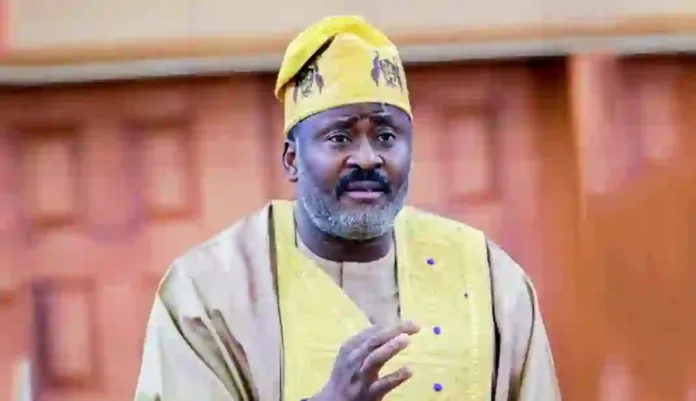
Desmond Elliott, Lagos State House of Assembly Lawmaker representing Surulere 1 Constituency, has returned to acting following his failure to secure the All Progressives Congress, APC, Ticket for the 2027 Election.
Elliot, who vied for a fourth term ticket to represent his Constituents lost to Barakat Odunuga-Bakare at Primary by a wide margin.
Following this development, the Actor cum Politician has returned to base.
He was captured in viral photos on social media, on a movie set with his hair plaited with fellow actor, Ibrahim Chatta.
The two were seen talking during what appeared to be the filming of a new movie.
This move has been celebrated by fans, who welcomed the development, saying they were excited to see Elliot back in Nollywood after spending several years in politics.
A video from the movie set has also been shared online, sparking reactions from fans who are looking forward to seeing Elliot on screen again.
Elliot made a name for himself in the Nollywood Industry, and earned recognition and accolades as he was able to stand out in the crowd due to his superb interpretation of roles.
He delved into politics and became a Lawmaker in the State House of Assembly in 2011 under the APC.
He has been in the saddle for three consecutive terms before he lost his fourth term bid due to his rift with his political godfather, Femi Gbajabiamila, Chief of Staff, CoS, to President Bola Tinubu.
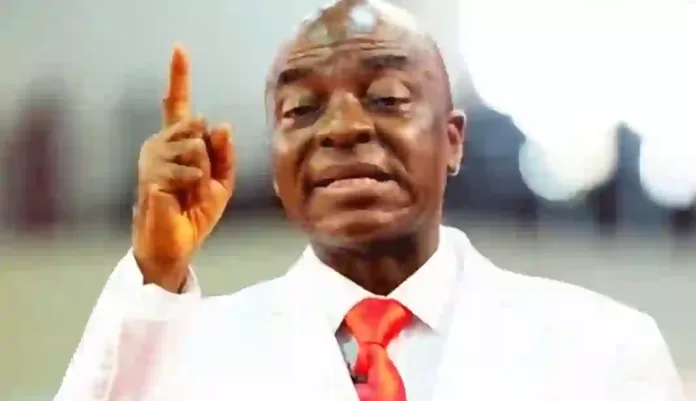
Bishop David Oyedepo, Founder and General Overseer, Living Faith Church Worldwide, popular as Winners Chapel, has urged President Bola Tinubu to stop his pretence, and address the economic hardship being experienced by Nigerians.
He also urged him to address the worsening insecurity situation of the country, that has pushed Nigeria into its present state.
The revered Clergyman made this call in a viral video on social media where he criticised the Federal Government’s failure to respond decisively to the country’s security and economic crises.
He lamented the continued attacks and killings in parts of the country, and warned that many Nigerians who have endured the situation for years may soon lose patience if urgent action is not taken.
He urged the FG to be more proactive and bring an end to the incessant killings and worrisome insecurity state of the nation.
The Bishop condemned those responsible for the killings of innocent citizens, insisting that victims should not be expected to sympathise with those behind such violent acts.
President Bola Ahmed Tinubu
According to him, the President should “act now and stop pretending.” He stressed that the government must demonstrate greater urgency in protecting lives and restoring public confidence.
Oyedepo, also, expressed concerns over what he described as the government’s apparent inability to effectively confront the security challenges facing the nation, and urged the administration to take concrete measures to reverse the trend.
As part of measures to encourage herbal medicines, the Federal Government has unveiled seven locally developed herbal medicines produced by the Nigeria Natural Medicine Development Agency (NNMDA) for the management of conditions including cancer, hepatitis B, hypertension and peptic ulcer disease.
The products were unveiled by the Minister of Innovation, Science and Technology, Dr Kingsley Tochukwu Udeh, during a visit to the agency in Lagos, where he highlighted the government’s commitment to promoting locally developed healthcare solutions.
According to the NNMDA, the herbal medicines were developed from indigenous medicinal plants using scientific research and standardisation processes aimed at improving the quality and safety of traditional medicine products.
The agency said the products were developed to support the management of several health conditions, including prostate cancer, colorectal cancer, ovarian cancer, peptic ulcer disease, hypertension, high cholesterol and hepatitis B.
Speaking during the unveiling, NNMDA Director-General Prof. Martins Emeje said the agency was focused on transforming Nigeria’s traditional medicine sector through research, documentation and product development.
He explained that the agency uses scientific methods to improve indigenous remedies, including ensuring proper formulation, dosage and quality control.
The Minister said Nigeria has a large number of medicinal plants that can be explored to develop healthcare solutions and create economic opportunities.
Udeh added that the government would support efforts to commercialise research outcomes from agencies such as NNMDA and strengthen the country’s natural medicine industry.
The NNMDA said it has developed more than 22 herbal products from indigenous plants since 2023 as part of efforts to promote natural medicine research in Nigeria.
However, the unveiling of the products does not mean they have replaced conventional treatments for serious conditions such as cancer and hepatitis B.
Health experts generally emphasise the importance of scientific validation, regulatory approval and medical supervision before herbal products are used for managing major diseases.
Patients diagnosed with chronic conditions are advised to consult qualified healthcare professionals before using herbal medicines alongside or instead of prescribed treatments.