




By Ayodele Oni

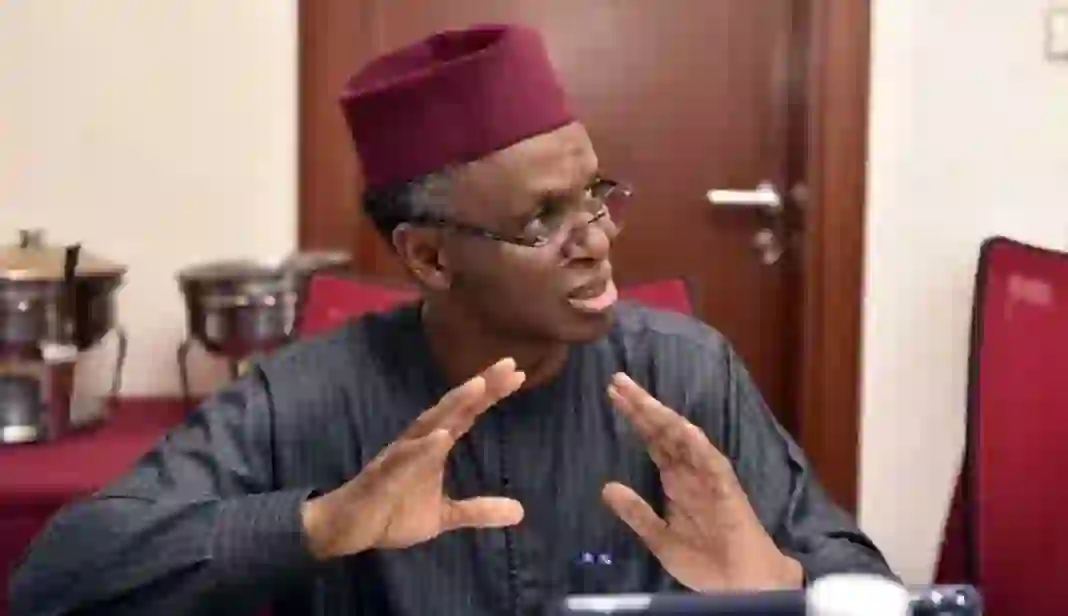
In his hey days as the Minister of the Federal Capital Territory (FCT), Abuja, former Governor of Kaduna State, Mallam Nasir El-Rufai stepped on powerful toes, using state machinery to humiliate them.
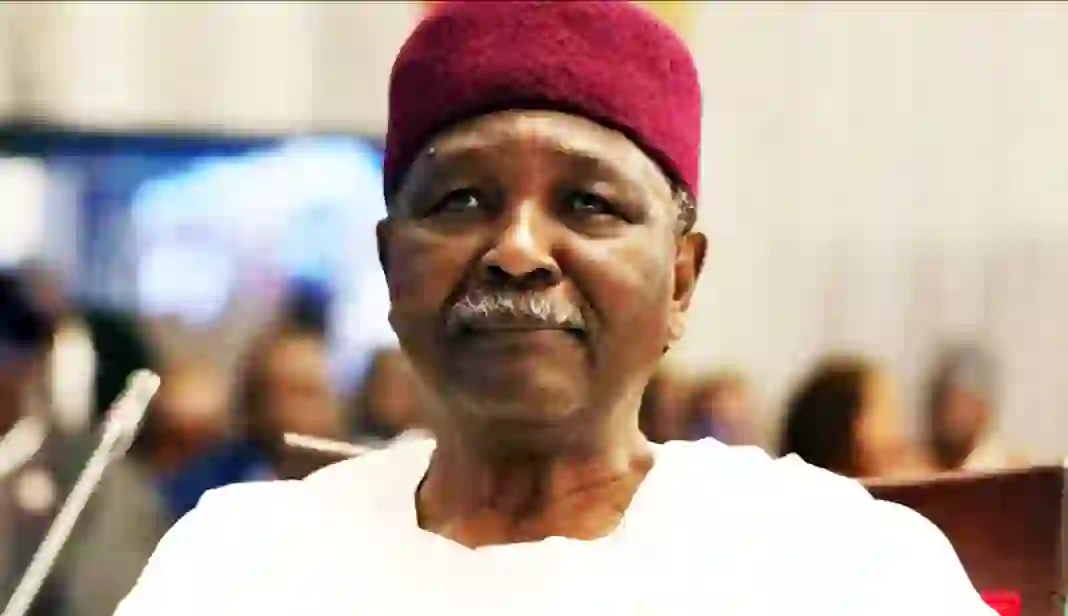
Among victims is former Military Head of State, General Yakubu Gowon, who had his only plot of land revoked by Rufai.
The Catholic Bishop of Sokoto Diocese, Matthew Hassan Kukah, revealed how El-Rufai, revoked a plot of land belonging to former Head of State, Yakubu Gowon, in Abuja.
Kukah spoke in Abuja while reviewing Gowon’s autobiography, “My Life of Duty and Allegiance,” published by Havilah Group.
The Cleric, recounted some of the difficulties Gowon faced after leaving office, including his years in exile following the 1975 military coup that ousted him from power.
According to Kukah, Gowon initially had no property in Abuja after returning to Nigeria and managed secured a plot of land only after the intervention of senior military figures.
“He didn’t have a plot of land. And when he came back, it was just out of pity, let me put it that way, that General Babangida agreed.
“Finally, they named one crescent after him, and after the crescent, they now gave him a plot of land, his first plot of land in Abuja.
“He mobilised resources to try and start building. He begins to build. Then El-Rufai, who was Minister of the FCT, revoked the land,” Kukah stated.
According to him, the intervention of retired General Theophilus Danjuma and others eventually helped Gowon recover the property.
The remarks formed part of Kukah’s extensive review of the autobiography, which he described as a voluminous account of Nigeria’s turbulent political history spanning about 900 pages and divided into 36 chapters.
Kukah disclosed that much of Gowon’s personal archives and records were lost in two separate fire incidents in Bakori and Kaduna, making the memoir largely dependent on the former military leader’s recollections.
“It’s important to underscore the fact that whatever you read in the book is the result of what the author was able to recall. You will find in the book evidence of excellent memory and details of things.”
The bishop structured his review around different phases of Gowon’s life, including military coups, exile, personal trials and his relationships with key actors in Nigeria’s political history.
He particularly highlighted revelations surrounding Gowon’s relationship with former President Olusegun Obasanjo, citing portions of the memoir suggesting deep trust between both men despite political tensions after Gowon’s overthrow.
Quoting from the book, Kukah said Gowon described Obasanjo as his “informal guardian angel” whom he trusted “more than any other soldier.”
Kukah also referenced accounts by former Chief of Staff, Supreme Headquarters, Allison Ayida, regarding debates within the military over whether Gowon should be allowed to return to Nigeria from exile.
According to him, Ayida recalled that some officials feared political backlash if Gowon’s planned return became public knowledge.
Beyond politics, Kukah devoted a significant portion of his review to Gowon’s wife, Victoria Gowon, whom he described as “the shield, the diplomat, who wore the trousers in the house.”
According to the bishop, the memoir detailed the extent of hardship the Gowon family endured in exile in the United Kingdom after the 1975 coup.
He said Gowon struggled to secure employment or even open a bank account, while his wife sustained the family by sewing bed sheets and making pillows for sale.
“He himself said in the book that he became what he called a kept man because she was the one looking after everything in the house,” Kukah noted.
The bishop further narrated how a domestic worker allegedly sent to assist the family by Nigerian officials was later discovered to be monitoring them for incriminating evidence.
“At the end of the day, the poor man could not find anything to report back home,” Kukah said.
Gowon, who ruled Nigeria from 1966 to 1975 and led the country through the civil war, remains one of Nigeria’s most consequential military leaders.
His administration pursued the post-war policy of “no victor, no vanquished” and later established the National Youth Service Corps as part of national reconciliation efforts after the conflict.
Discover more from The Source
Subscribe to get the latest posts sent to your email.


, Abuja, former Governor of Kaduna State, Mallam Nasir El-Rufai)