



By Ayodele Oni

Some Nigerians that seek refugee status in the Republic of Chad are on their forceful return journey home following their deportation by the Chadian government.
The affected are several Nigerians who had sought refuge from insurgency.
They were said to have been rounded up and deported, according to accounts from those affected.
Nigeria has battled a jihadist insurgency for over a decade, triggered by the 2009 uprising of Boko Haram, which has since splintered into factions operating across neighbouring countries, including Niger, Cameroon, and Chad.
The latest deportations come amid warnings from analysts of renewed militant activity in Nigeria’s Northeast over the past year.
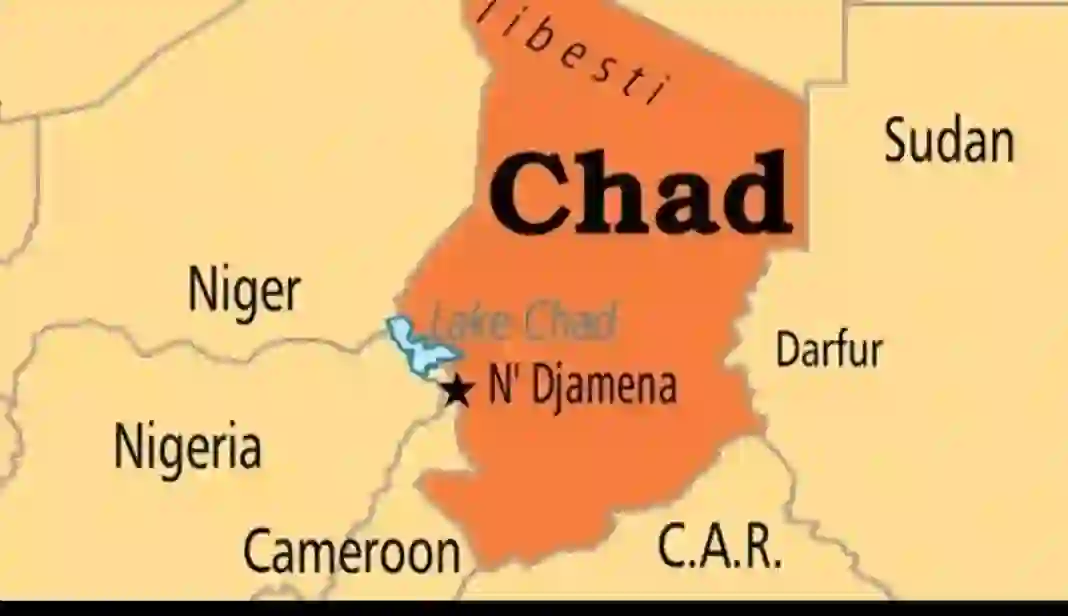
Two deported Nigerians told AFP that about 600 people were arrested during mass raids and transported to Kousseri, a town in Cameroon located across the border from Chad’s capital, N’Djamena.
Chadian authorities confirmed that deportations took place, but did not provide official figures.
Police described the operation as a routine crackdown on undocumented immigrants, regardless of nationality.
One of the deportees, Kyari Musa, said security agents raided their residence in N’Djamena.
“They said all Nigerian refugees are Boko Haram and should leave their country. They took our biometric data,” he said, adding that they were warned against returning.
Another Nigerian, Ari Modu, explained that the arrests began midweek, with hundreds detained over several days. According to him, 227 people were arrested initially, followed by another 371 in subsequent raids.
Chad’s Deputy Director General of Police, Paul Manga, denied targeting Nigerians specifically.
“The police carried out a roundup of individuals in an irregular situation, regardless of nationality, who were subsequently escorted to the border. This is not a witch hunt,” he insisted.
The deported individuals were later taken toward border areas, including Gamboru in northeastern Nigeria.
Nigeria’s prolonged insurgency has continued to spill across borders, creating humanitarian and security challenges throughout the Lake Chad region.
While Nigerian authorities have in recent years repatriated citizens from neighbouring countries, many returnees face difficult conditions.
Some former refugees say they are forced to return to conflict-affected communities, while others struggle with unemployment and poverty in urban areas.
These challenges have led some to attempt crossing back into Chad, where they had previously lived and worked for years.
Discover more from The Source
Subscribe to get the latest posts sent to your email.