


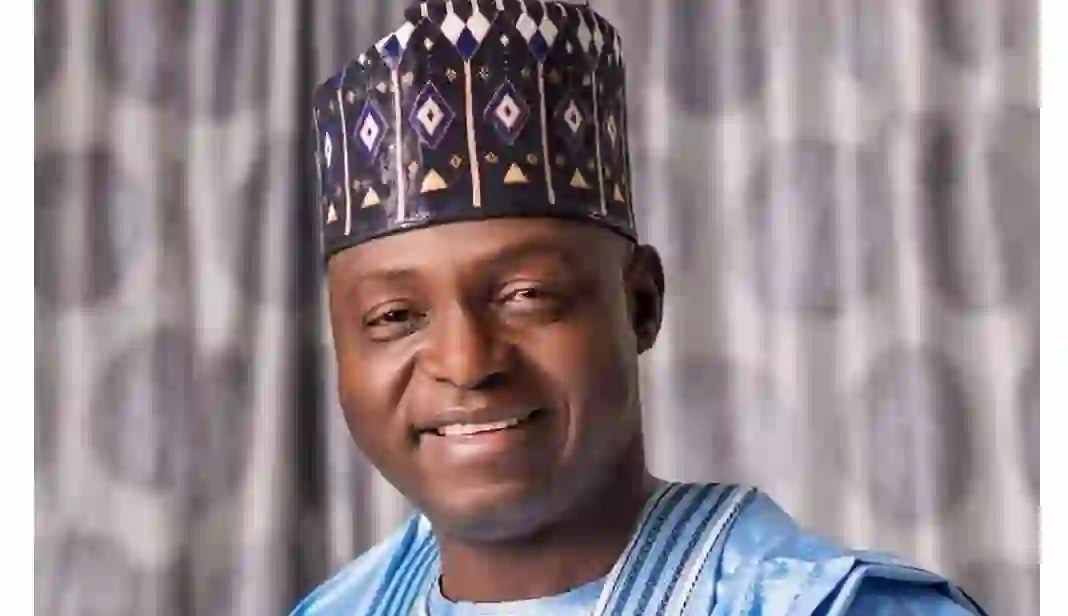

Professor Nentawe Yilwatda, National Chairman of the ruling All Progressives Congress, APC has defended the removal of petrol subsidy, saying it’s a tough decision for President Bola Ahmed but necessary for laying a strong foundation for the nation’s economy.

President Tinubu had, on his ascension to office in 2023, announced the end of the subsidy regime, where government subsidize the petrol consumed in the country by paying marketers an agreed sum.
Following the removal, the price of petrol has gone up from less than N300 per litre to over N1,200.
The APC Chairman spoke on Wednesday during the APC National Media Chat in Abuja, the nation’s capital. He explained that the removal was also necessitated to build the $1 trillion economy promised by the president.
“What has been done is to build an economy that can sustain a one trillion-dollar economy. These are tough decisions, but they are necessary for long-term stability,” Yilwatda said
The APC boss spoke amidst the rising cost of petrol, which economy experts blamed on the US-Israel and Iran in the Middle East, a situation that has raised energy cost globally. The product now sells for between N1,200 and N1,300 per litre across the country.
Since March when the war broke the pump price of a litre of petrol has almost doubled, even as analysts insist that the price is likely to surge if the crisis in the middle east is not quickly resolved.
Not a few Nigerians have lamented the high cost of fuel in the country, and its effects on their livelihood, they urge the federal government to intervene by providing subsidy.
Meanwhile, Senate President Godswill Akpabio said on Tuesday that the price of petrol could have risen to as much as N10,000 per litre if not for the local refineries producing the product.
Akpabio said fuel is now being produced and consumed in the country, unlike in the past when a large part of the country’s fuel was imported, adding that fuel queue has also disappeared from filling stations across the country .
“Since we came on board, we have not had three to five kilometres of vehicles lined up at fuel stations to buy petrol,” he said. “There was a time Nigerians were ready to pay as much as N10,000 per litre, yet the product was not available,” Akpabio said.
Discover more from The Source
Subscribe to get the latest posts sent to your email.