




By Akinwale Kasali
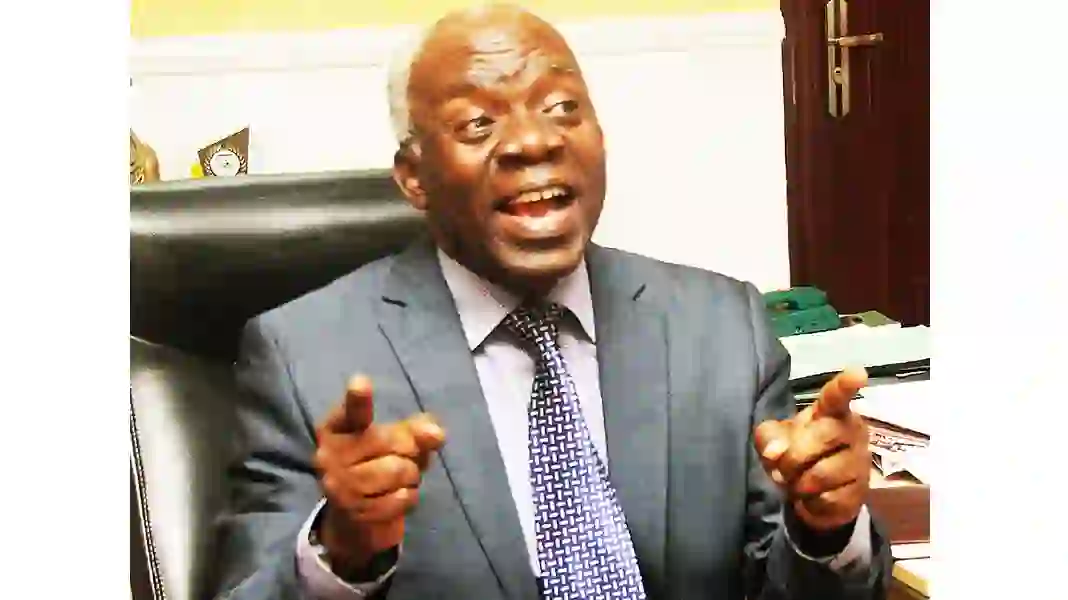
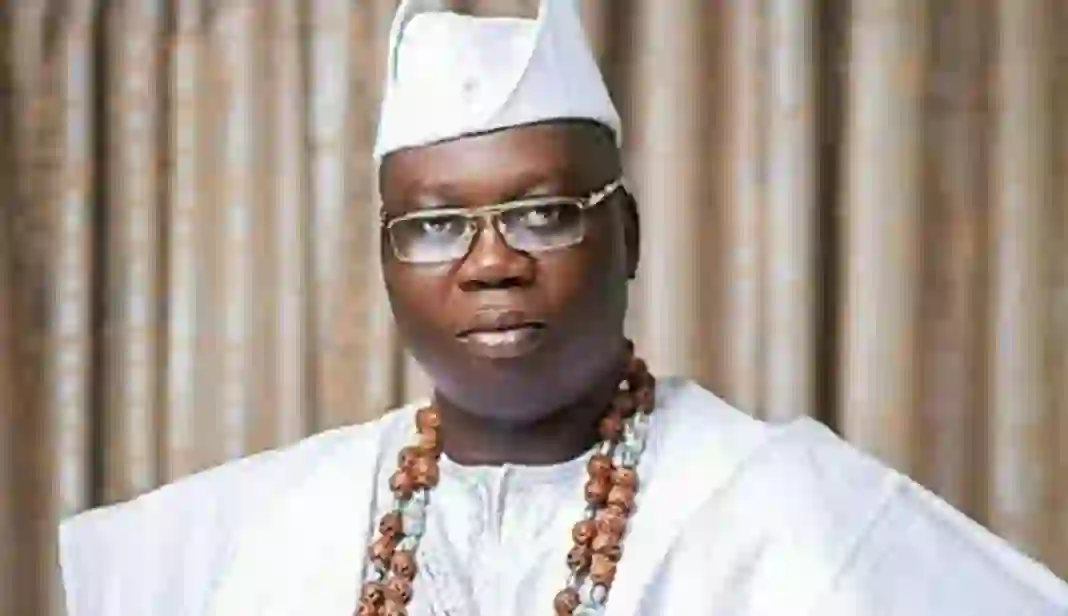
As the 2027 General Election gathers momentum with alignment and realignment, Femi Falana, Human rights lawyer, and the Yoruba Generalissimo, the Aare Ona Kakanfo of Yorubaland, Gani Adams, have both warned that Nigeria could end up having only one Presidential Candidate in the 2027 election if the Judiciary continues to interfere in political party affairs.
Both men said that the nation is gradually becoming a One Party State with the current political happenings in the country.
They made this assertion at the Fifth Year Memorial Lecture of Yinka Odumakin, the late Activist and former National Secretary of Afenifere held at the Airport Hotel, Ikeja, Lagos.
The event had in attendance the President of the Nigeria Labour Congress, Joe Ajaero, activist and publisher of Sahara Reporters, Omoyele Sowore, and Senior Advocate of Nigeria, Olumide Fusika.
It was hosted by the President of the Oluyinka Odumakin Foundation, a baby of the Wife of the deceased, Dr. Joe Odumakin. In attendance, also, were the Executive Director of the International Press Centre, IPC, Lanre Arogundade, Agba Jalingo and Richard Akinola.
Delivering the memorial lecture, Falana asserted that court orders and conflicting judgments are being used to destabilise political parties and could lead to a situation where only one political party would present a presidential candidate in the 2027 election.
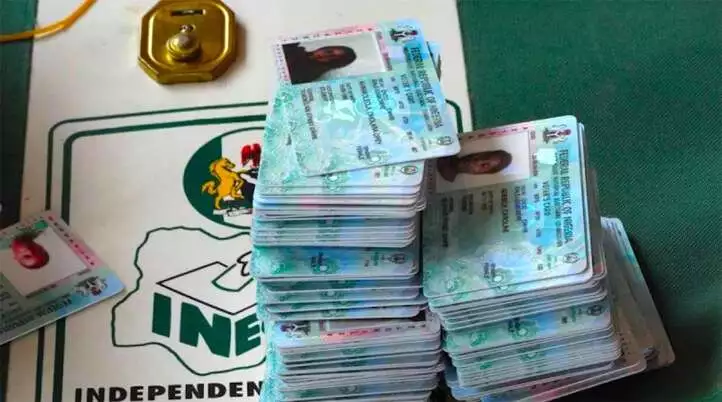
He spoke against the backdrop of Wednesday’s pronouncement of the Independent National Electoral Commission that it would no longer recognise the factions of the African Democratic Congress led by David Mark or Rafiu Bala.
The INEC based its decision on a Court of Appeal judgment, which directed the Commission to maintain the status quo pending the determination of a suit challenging the legality of David Mark’s leadership of the opposition party.
The Senior Advocate of Nigeria, SAN, further criticised the Judiciary for interfering in the internal affairs of political parties despite provisions of the Electoral Act prohibiting such interference.
Falana said: “Through the manipulation of Nigerian courts and senior lawyers, you may have only one candidate contesting the presidential election in this country.
“If that happens, Nigeria may not even need to spend money on a presidential election.”
He also warned that actions capable of undermining democracy could provoke unrest if Nigerians felt they no longer had a genuine electoral choice.
He urged civil society groups, labour unions and political activists to organise and defend democratic values, warning that unorganised protests could lead to anarchy rather than meaningful change.
“We must stop agonising and start organising in the interest of our people and democracy,” he said.
In the same vein, Adams warned that Nigeria was gradually drifting towards a one-party system, accusing those in power of using the judiciary to suppress opposition parties and the will of the people.
He said the situation reminded him of the political repression experienced during the military era and the struggle for democracy in the 1990s.
Adams: “We are moving towards a one-party system. Those in power are using the judiciary to suppress the will of the people. We may end up having only one presidential candidate in Nigeria if care is not taken.”
He urged Nigerians not to remain silent because their ethnic group was in power, noting that political power rotates and silence in the face of injustice could later be used against those who failed to speak up.
According to him, Nigerians must continue to speak against injustice and defend democracy regardless of ethnic or political affiliations.
He added that the best way to honour the late Odumakin was for activists and civil society groups to remain committed to justice, democracy and good governance in Nigeria.
Delivering a lecture titled, “Can Nigeria’s Democracy Work without Restructuring?” Falana said restructuring had already been taking place in the country, but largely in favour of the political class, especially state governors and members of the ruling elite.
According to him, Nigeria operated more like a federal system in the First Republic when regions controlled the police, courts and local governments, but the 1999 Constitution returned the country to a unitary system with more items on the Exclusive Legislative List.
He said, “In 1963, there were about 45 items on the Exclusive List, but today we have about 68 items. Practically everything is controlled by Abuja. What we have now is more of a unitary system than a federal system.”
Falana explained that some powers had been taken from the Federal Government through court cases filed by states, particularly on issues such as local government administration, Value Added Tax, and control of land.
He noted that despite the agitation for restructuring, many state governments had failed to utilise the powers already granted to them, especially in areas like electricity generation, railways and prisons, which were moved from the Exclusive List.
He said, “Some of those who shout restructuring don’t believe in it. Electricity, railways and prisons were removed from the Exclusive List, but how many states have generated electricity, built rail lines or established prisons? None.”
Speaking on the debate over state police, Falana warned that the system could be abused by state governors to suppress political opponents, citing abuses recorded during the First Republic when regional governments controlled the police.
He said the Police Council, which includes the President, Inspector-General of Police, Chairman of the Police Service Commission and state governors, was supposed to manage the Federal Police collectively, but the body hardly met, leaving policing effectively in the hands of the President.
Falana also criticised the political class for cornering the country’s resources, especially oil blocks and solid minerals, alleging that a few individuals had become extremely wealthy through government allocations of oil blocks and mining licences.
He said illegal mining and smuggling of minerals were also contributing to insecurity in some parts of the country, as unemployed youths were being recruited into illegal mining operations and criminal activities.
Discover more from The Source
Subscribe to get the latest posts sent to your email.