




By Ayodele Oni

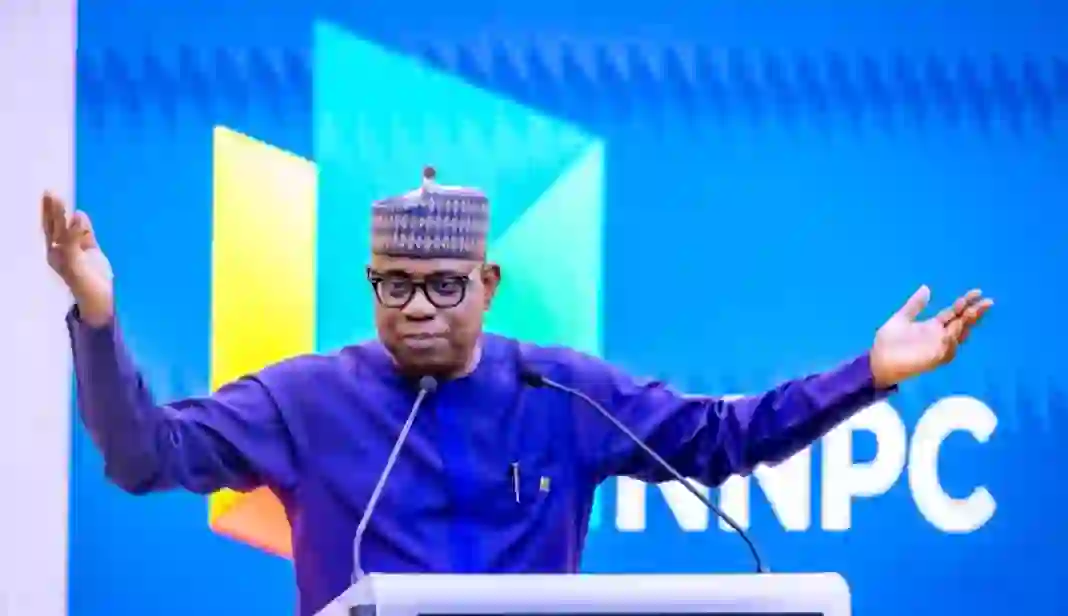
The Group Chief Executive Officer of the Nigerian National Petroleum Company Limited (NNPCL), Bayo Ojulari, has revealed why four government owned refineries were shut down.
The shut down was effected last year after the present administration of President Bola Tinubu injected fund with a view to make them work.
Ojulari openly admitted that Nigeria’s state-owned refineries were operating at massive losses, prompting his administration to halt their operations to prevent further financial damage to the country.
Ojulari made the revelation on Wednesday in Abuja during a fireside chat titled “Securing Nigeria’s Energy Future” at the Nigeria International Energy Summit 2026, where he delivered one of the most candid assessments yet of the nation’s troubled refining sector.
According to the NNPC boss, the refineries were draining national resources despite decades of heavy investment, leaving Nigerians understandably frustrated.
“On the refineries, Nigerians were angry. A lot of money has been spent, and expectations were very high. So we were under extreme pressure,” Ojulari said.
Nigeria’s four government-owned refineries—Port Harcourt (two plants), Warri, and Kaduna—have consumed billions of dollars in rehabilitation and turnaround maintenance over the years, yet have consistently failed to achieve sustainable output.
Following a detailed operational review, Ojulari said it became clear that the refineries were financially unsustainable.
“The first thing that became clear is that we were running at a monumental loss to Nigeria. We were just wasting money.”
He explained that NNPC was feeding crude oil into the refineries every month, yet utilisation remained between 50 and 55 per cent, leading to significant value erosion.
“We were spending heavily on operations and contractors, but when you looked at the net outcome, value was simply leaking away,” he added.
More troubling, Ojulari noted, was the absence of a clear path to profitability.
“Sometimes you make losses during investment, but you must have a line of sight to recovery. That line of sight was not clear here.”
Ojulari pointed out that suspending refinery operations was one of the earliest and toughest decisions taken by his leadership.
“We decided to stop the refinery and do a quick check. If things were properly lined up, we would reopen and work on them.”
He maintained that the shutdown was necessary to prevent further losses while reassessing the commercial viability of the facilities.
Discover more from The Source
Subscribe to get the latest posts sent to your email.




, Bayo Ojulari, has revealed why four government)