




By Ayodele Oni

The National Counter Terrorism Centre (NCTC) is strengthening a model that relies not just on armed forces and intelligence agencies, but on a wider network of actors—including telecom operators, the media, and social media platforms—whose roles are increasingly pivotal in both preventing and resolving abductions.
The centre noted that Nigeria’s struggle with kidnapping has evolved into one of the nation’s most persistent and complex security challenges.
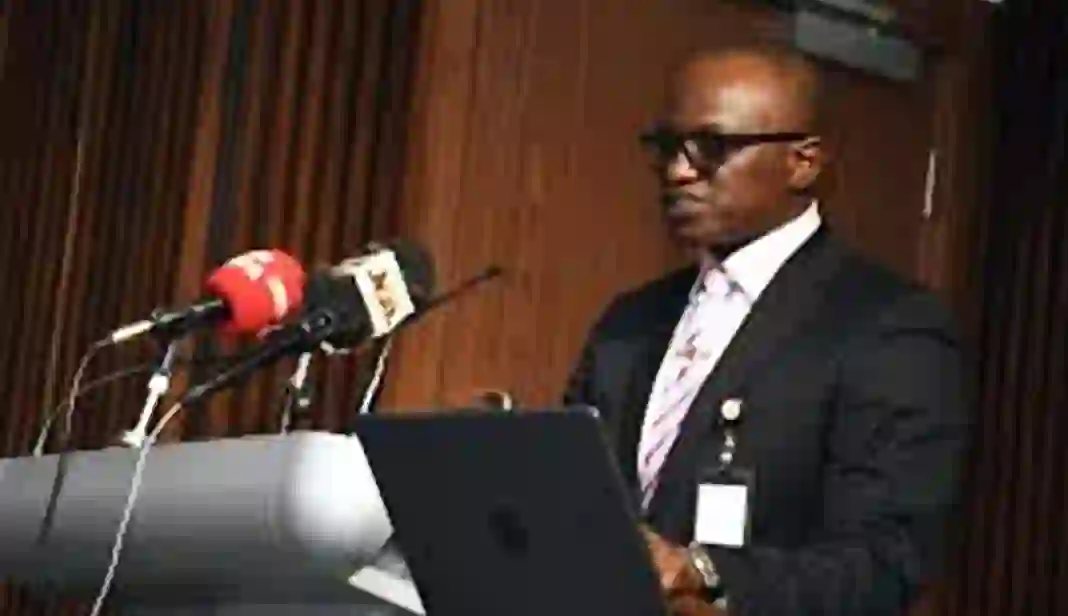
This new direction formed the core of discussions at a High-Level Stakeholders’ Workshop on the Multi-Agency Anti-Kidnap Fusion Cell (MAAKFC), held on Wednesday in Abuja.
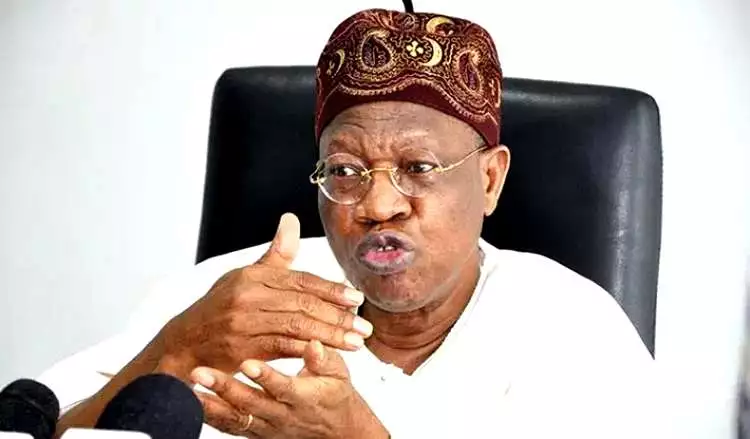
The National Coordinator of the NCTC, Major General Adamu Laka, called for deeper, structured collaboration across sectors.
Kidnapping, he said, remains the “common trend” underpinning criminality and terrorism across the country, serving as a major revenue stream for criminal and extremist organizations.
According to him, ransom payments enable these groups to purchase logistics, sustain operations, and in some cases exert territorial influence, the threat has become more entrenched and more sophisticated.
“The Multi-Agency Anti-Kidnap Fusion Cell, established in December 2024 through Nigeria–United Kingdom collaboration, has begun to reshape how the country responds to kidnapping.
“It brings together analysts from the military, intelligence agencies, and law enforcement to share information and rapidly generate actionable intelligence.”
Laka, pointed out that this framework has already contributed to multiple successful rescues and the disruption of kidnapping networks nationwide.
Laka noted that operational gaps remain—particularly the absence of critical civilian stakeholders such as media organisations, telecom operators, and social media platforms.
“These actors often hold information keys: from communication patterns that could assist investigations to the ability to shape public narratives, counter falsehoods, and mobilise communities.
“This workshop therefore provides a timely opportunity to deliberate on how these stakeholders can be effectively integrated into the Kidnap Fusion Cell architecture.”
By establishing this expanded ecosystem, he added, Nigeria could significantly improve national coordination and response speed—two factors that often determine whether victims are safely rescued.
“To strengthen the link between national and state responses, the NCTC had earlier conducted a state expansion programme for Anti-Kidnap Commanders from the Nigeria Police Force and the Department of State Services across the 36 states and the FCT.”
The initiative, Laka said, is already helping to eliminate communication barriers that previously stalled rescue operations.
At the workshop, the Acting High Commissioner of the British High Commission, Gill Lever, described the MAAKFC as a “commendable model” and affirmed the UK government’s continued commitment to strengthening Nigeria’s counterterrorism and anti-kidnapping efforts.
Similarly, Chris Gibson, Head of the UK’s National Crime Agency, emphasised that the success of the fusion cell lies in sustained collaboration, communication, and community participation. For Gibson, every Nigerian—beyond law enforcement—plays a role in reducing the burden of kidnapping.
Discover more from The Source
Subscribe to get the latest posts sent to your email.



 is strengthening a model that relies not just on armed forces and intelligence agencies, but on)