


By Ayodele Oni

Ondo State Government has restated its commitment to inclusive governance through continuous dialogue with citizens. with a view to incorporate their views into the 2026 Budget and long-term fiscal plans.
This approach forms part of the state’s vision to become one of Nigeria’s most developed through strategic budgeting, projects, and programmes.
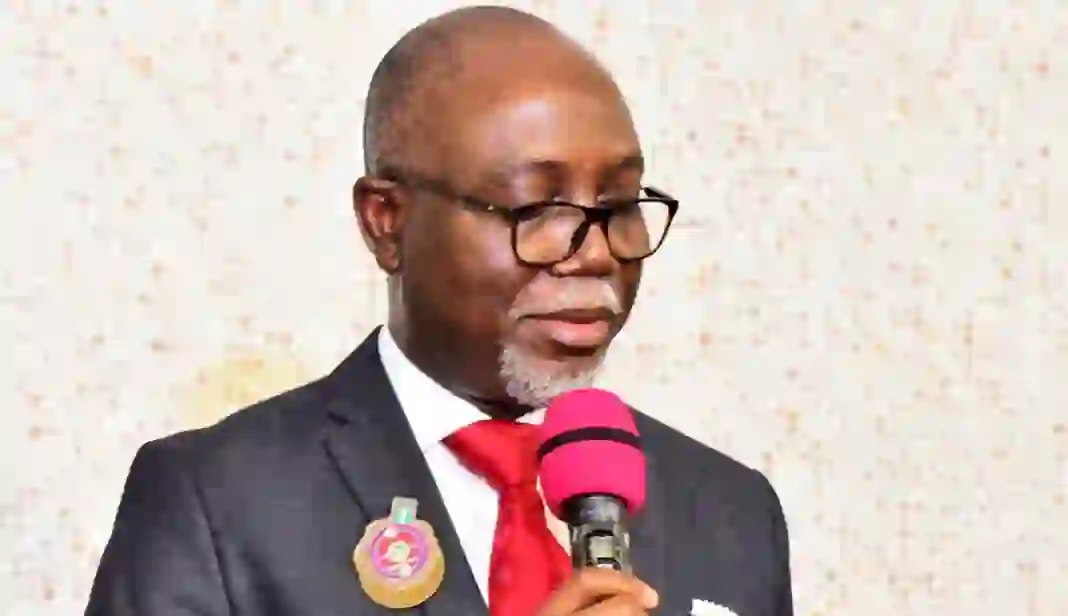
Commissioner for Economic Planning and Budget, Mr. Laolu Akindolire, announced this during the final phase of consultative meetings with stakeholders across the 18 Local Government Areas.
The engagement, which ended in Akure, focused on the 2026–2028 Medium-Term Expenditure Framework (MTEF) and the 2026 Budget.
The consultations brought together student groups, civil society organisations (CSOs), NGOs, community-based organisations (CBOs), trade unions, professional bodies, private sector representatives, women and youth groups, vulnerable populations, and traditional institutions.
Sessions were held in five zones, with traditional rulers, community leaders, local government chairpersons, and student bodies participating.
Administrative Secretary of the Budget Office, Pastor Stephen Aworere, explained that the initiative was a deliberate move by Governor Lucky Aiyedatiwa’s administration to democratize the budget process.
“This engagement has helped the government ascertain the most pressing challenges faced by the people, thereby allowing us to focus on real solutions,” Aworere said.
At the Akure session, the Commissioner for economic planning and budget, Laolu Akindolire explained that the state was working on a more realistic and streamlined 2026 budget.
He linked this shift to the poor performance of the 2025 budget, which was affected by non-disbursement of funds from foreign development partners.
He said: “When we looked at the 2025 capital budget, it was just too unrealistic. A capital budget of N433 billion—how do you fund it?
“That’s why we’re preparing a more realistic budget for 2026, targeting 70–80% performance by focusing only on revenues we are confident will come in.”
The 2025 Budget stood at N698.6 billion, with capital expenditure at N433.6 billion and recurrent expenditure at N222.2 billion.
Akindolire stressed that future budgets would no longer rely heavily on development funding, which he described as “clumsy and unreliable.”
“We’re now focusing on realistic funding sources. If additional support comes from development partners, it’s welcome—but it will no longer form the base of our planning.”
He also highlighted agriculture, human capital development, security, and SME support as key focus areas.
“Agriculture will be well funded. Food security is a top priority for this administration. We are also focusing on human capital development, security, and SME support as key drivers of economic growth.”
He added that security remained non-negotiable. “You can’t go about your business or send your children to school if the environment isn’t secure. Security will continue to be a major focus.”
Aworere revealed plans to introduce vocational and technical training into the secondary school curriculum, adding that “Students will graduate with both O’Level certificates and skills certification in areas like plumbing, welding, bricklaying, and electrical work.
“The aim is to make them self-reliant even without going to university.”
Discover more from The Source
Subscribe to get the latest posts sent to your email.