



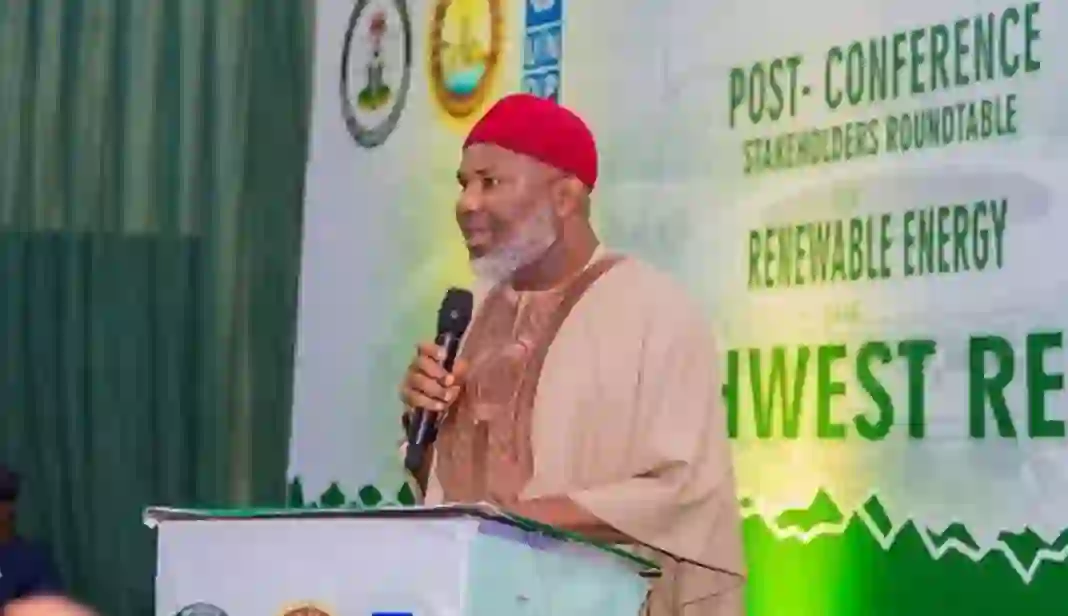

Chairman of the House of Representatives Committee on Renewable Energy, Victor Afam Ogene, has revealed that his committee is collaborating with INCLUDE, a Netherlands based Knowledge Platform to draft a Bill for creation and reservation of specific percentages of green jobs for youths and women demography in Nigeria.

The lawmaker made this disclosure at the South-West Post-Conference Stakeholders’ Roundtable on Renewable Energy in Osogbo, Osun State. The event was a follow-up to the National Legislative Conference on Renewable Energy held in May, where INCLUDE played a key role by hosting the Pan-African Legislative Roundtable on Renewable Energy session.
According to him, “As part of the growing momentum to ensure that Africa’s energy transition also delivers a just and inclusive employment transition, the House Committee on Renewable Energy is advancing plans for a landmark legislative proposal — the National Inclusive Green Jobs Act (NIGJA). This proposed framework aims to link renewable energy investments directly with job creation mandates, skills development targets, and youth and gender inclusion benchmarks.
“NIGJA envisions a future where every solar panel, mini-grid, and clean cooking initiative not only powers homes but unlocks employment opportunities, particularly for Africa’s growing youth population. It will also align with regional trade frameworks under AfCFTA, ensuring that Nigeria’s green workforce can thrive in a competitive, integrated African energy market. The Committee sees this not as a standalone law, but as a foundational piece of a broader national development agenda.” He emphasized.
Ogene noted that the 10th House of Representatives, led by Speaker Tajudeen Abbas, has made renewable energy a top legislative priority. “In a historic first, the Speaker established the House Committee on Renewable Energy to spearhead policies, track progress, and promote investment in sustainable energy solutions,” he said.
He also revealed that the House had adopted a resolution mandating all federal ministries, departments, and agencies to transition to renewable energy sources. “This is a model that could be replicated in the states to drive a unified national development trajectory,” he added.
Other contributors to the session on green job creation and promotion agreed that Nigeria should prioritize creating an enabling environment for the renewable energy sector, generating jobs that benefit youths and women through deliberate policy and supportive legislation.
The event, themed “From Vision to Action: Localising Nigeria’s Renewable Energy Legislative Agenda,” brought together government officials, lawmakers, technical experts, and development partners to advance renewable energy at the sub-national level.
Representing Governor Ademola Adeleke, Deputy Governor Prince Kola Adewusi presented the state’s draft Renewable Energy Policy and Climate Action Plan, describing them as “key instruments for building a strong legislative and institutional foundation for an inclusive energy transition.”
In a message delivered on his behalf, Governor Adeleke stated, “We are unveiling our Climate-Smart Investment Portfolio as a strategic roadmap designed to attract responsible capital into renewable energy, sustainable infrastructure, and the circular economy.”
He added that the Climate Action Plan was developed in consultation with experts, grassroots communities, and development agencies, emphasising inclusiveness and long-term sustainability. “Our climate vision extends beyond today; it is for generations yet unborn,” he said.
Discover more from The Source
Subscribe to get the latest posts sent to your email.