



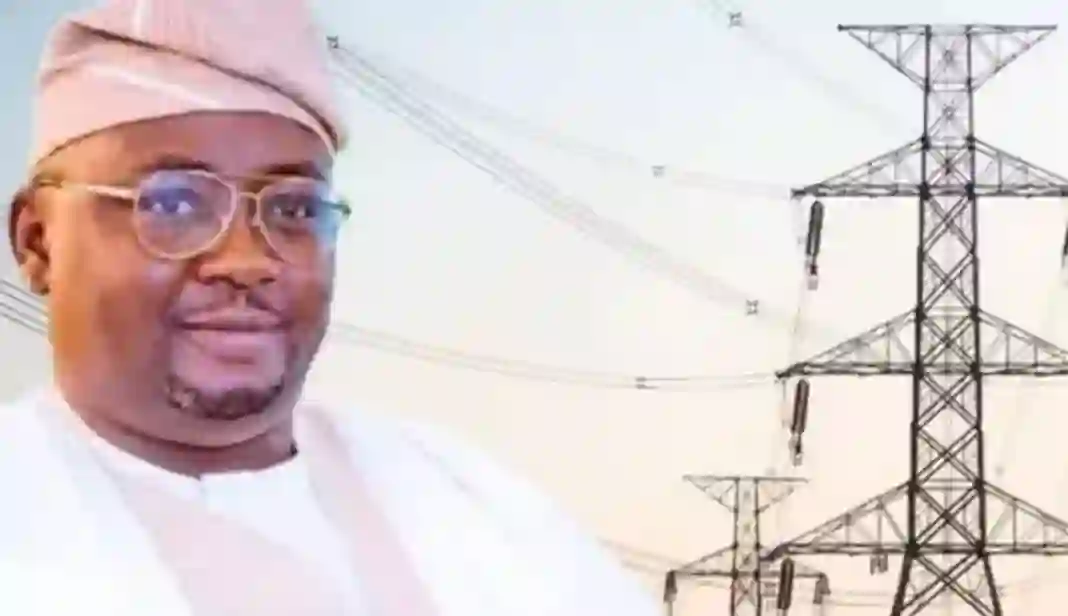

Nigeria’s national power grid has collapsed for the second time in less than one week. The development was disclosed on Tuesday via a post by the National Grid on its verified X handle, under the title, “GRID COLLAPSE”.

The company also stated that load to the 11 electricity distribution companies, DisCos, dropped to zero megawatts as of 10:54am.
Recall that the grid suffered a collapse last week following which most part of the country thrown into utter darkness for hours, before it was restored.
According to the details provided by the company data shared by Nigeria National Grid @NationalGridNg · 10m, the affected DisCos as of 27 Jan 2026 | 10:54 AM were Abuja, Benin, Eko, Enugu, Ibadan, Ikeja, Jos, Kaduna, Kano, Port Harcourt and Yola.
Meanwhile, the magazine learned that the current blackout is not likely to affect the residents of Aba in Abia state because of Geometric Power which supplies electricity to close to one million people living in the city. The company is promoted by Nigeria’s former Minister of Power, Prof. Bath Nnaji.
While a large part of the country suffered power cut last week as the National Grid collapsed for the first time in 2026, the people of the commercial city were said to have enjoyed electricity supply through out the period.
According to reports, Geometric Power’s 188-megawatt plant has a distribution network equipped with smart meters. The private system has delivered consistent power even as the broader national infrastructure repeatedly fails.
The stark contrast between Aba’s reliability and the national grid’s persistent instability has intensified calls for Nigeria to accelerate the decentralisation of its power sector. Energy analysts and business groups have urged the government to replicate the Geometric Power model in other cities and regions.
Nigeria generates only a fraction of the electricity needed for its economy and population. Even when the grid operates, total generation typically hovers between 4,000 and 5,000megawatts, far below the estimated 30,000 megawatts required to adequately serve the country. Businesses and wealthier households rely heavily on diesel and petrol generators, adding to operating costs and environmental pollution.
Additional reports from Business Day
Discover more from The Source
Subscribe to get the latest posts sent to your email.