



By Ayodele Oni

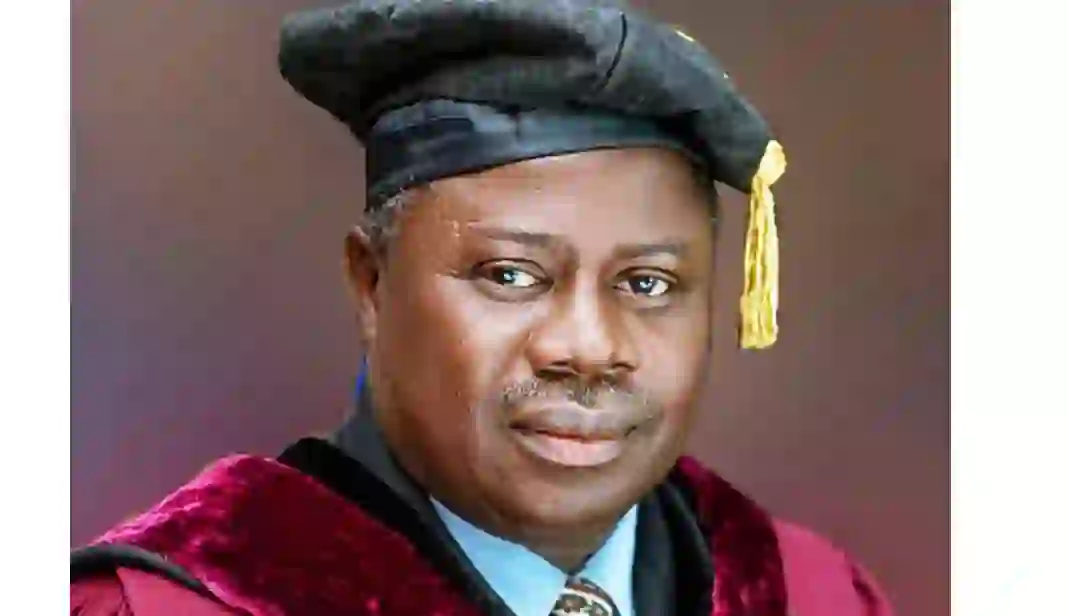
A Professor of Journalism and Mass Communication, Tokunbo Adaja, has challenged the Nigerian press to engage in intensive political mobilisation, education and sensitization to boost citizen participation in the democratic process.
The don also charged Journalists and media organisations to sharpen their investigative capacities to expose corruption and promote good governance in the country.
Adaja, made the recommendation while delivering the 11th Inaugural Lecture of Joseph Ayo Babalola University, (JABU), Ikeji-Arakeji, Osun State, on Thursday at the Oba Oladele Olashore Auditorium of the institution.
According to him, such efforts would keep government and its officials on their toes and make them accountable.
In his lecture titled, “Power of Press and Press of Power: Bridging the Lacuna in the Quest for Good Governance in Nigeria”, Adaja argued that the press possesses immense power which, if not utilised to drive meaningful change, will remain a mere ‘theoretical formulations.”
The Don described the press as a vital agent of change entrusted with the responsibility of ensuring accountability, probity and transparency. He said these expectations compel on journalists to cultivate and institutionalize a culture of reporting and monitoring government activities, including awarded contracts, to ensure compliance to specifications.
He noted that people’s involvement in political activities, in Nigeria remains abysmally low stressing that a sustainable democracy requires the active participation of “an informed, rational and active citizenry.”
The scholar tasked the press to lead the quest for good governance by ensuring that “all social, economic and political misadventures of governments, government agencies and government functionaries must be published, as well as encourage state agencies that have prosecutorial powers to step in and do the needful”.
He decried the socio-political and economic imbalance caused by corruption, which, he said, undermined the legitimate activities and diminished the capacity of individuals to achieve their potentials.
X-raying the media and anti-graft efforts, Adaja acknowledged that while corruption is a global challenge, its manifestations in Nigeria are highly dependent on power distribution, legal and moral norm operation.
Taking a swipe on successive governments’ anticorruption crusade, the don faulted the method adopted to tackle the menance and argued that results of various anti-corruption initiatives from government, NGOs and international bodies have been largely disappointing.
Prof. Adaja who declared that Nigerians are not corrupt but the system corrupted the citizens, contended that no anti-corruption campaign can succeed without meaningful citizen involvement.
He, therefore, called on the media to lead this effort by raising awareness and educating the public on the consequences of corruption. Such awareness, according to him, would shape public perception and attitudes toward corrupt practices.
While urging leaders at all levels to lead by example if the country must win the war against corruption, Adaja wants journalists to profile those seeking political offices and reveal their records to help the electorate make informed choices during elections.
Adaja, who described the press as an ideological apparatus with a responsibility to engineer cultural rebirth, also stressed the need for the media to revisit Nigeria’s “lost cultural heritage, exhume and refine the key contents of our culture as well as reset the mindset of the citizenry to key into it”.
The Vice-Chancellor of the university, Prof Olasebikan Fakolujo, described the inaugural lecturer as a distinguished scholar with over 50 publications in reputable local and international journals.
Discover more from The Source
Subscribe to get the latest posts sent to your email.