

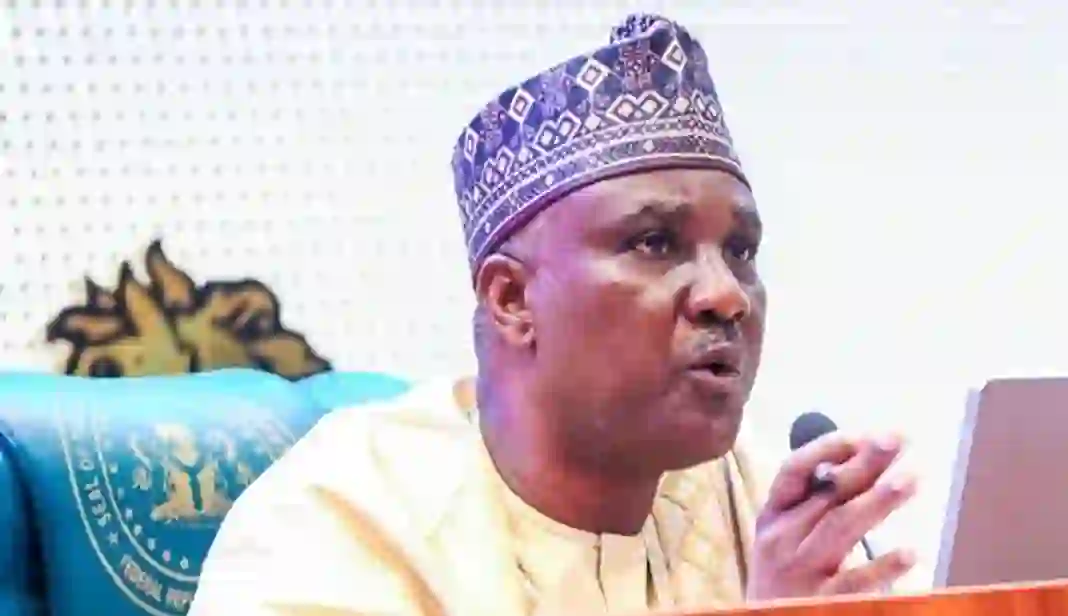
The Speaker of the House of Representatives, Abbas Tajudeen, has lamented the rising debt profile of African countries, which he said has reached an alarming stage.

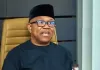
The nation’s number four citizen spoke in Abuja, the nation’s capital at the opening of the 11th Annual Conference and General Assembly of the West Africa Association of Public Accounts Committees, WAAPAC, at the National Assembly, Abuja. He was represented at the event by Prof Julius Ihonvbere, the House Leader.
According to him, Nigeria and other African countries debt to GDP has reached a worrying level, that calls for immediate attention. The situation, he explained , has led to the shortage of fund for critical sector of their economies, including health, education and infrastructure.
He said borrowed funds must be put to good use, in such a way that the social needs of their people were met.
Abass: “In Nigeria, as in most of Africa, recent available data indicate that our debt trajectory has reached a critical point. It highlights the urgent need for stronger oversight, transparent borrowing practices, and a collective resolve to ensure that tangible economic and social returns match every naira borrowed”, he said.
‘African countries spend more on debt servicing than healthcare, others’
Abbas lamented that across Africa, several countries are in dangerous debt-to-GDP territories, with governments spending more on servicing loans than on healthcare and essential services.
“Across Africa, debt levels have reached alarming proportions. By 2022, the continent’s total public debt had reached US$1.8 trillion, with external debt alone surpassing US$1 trillion by 2023. In many cases, governments are spending more on servicing debt than on healthcare and other essential services, shrinking the fiscal space available for development. This continental picture makes clear that Africa faces not just a budgetary concern, but a structural crisis that demands urgent parliamentary attention and coordinated reform. The countries of the West African sub-region carry the same burden.
“Distinguished participants, when we examine the sources of Africa’s external financing, it becomes clear that the weight of debt on our continent is shaped by who we borrow from and on what terms. Today, Western private lenders hold about 35 percent of Africa’s government debt through banks, asset managers, and oil traders. Multilateral institutions, such as the World Bank and the IMF, account for another 39 percent, while bilateral loans from other governments comprise 13 percent. Chinese creditors, despite much of the public debate, hold only 12 percent. To place this in sharper focus, in 2019, bondholders alone represented 27 percent of Africa’s external debt, making them the single largest creditor group, ahead of China at 13 percent.
“The implications of this structure are far-reaching. A significant share of our national revenues is tied to debt servicing rather than being invested in the things our people need most: roads, schools, hospitals, and innovation. The high cost of commercial loans, coupled with the burden of repayment in foreign currencies, leaves many African economies vulnerable to market shocks. This narrows fiscal space, constraints domestic policy choices, and slows the pace of sustainable development.
“If Africa is to grow stronger, we must not only negotiate fairer terms of borrowing but also rethink our dependence on external finance. We must channel more energy into mobilising domestic resources, fostering intra-African trade, and creating financial instruments that serve the continent’s own development priorities. Only then can we move from vulnerability to resilience, and from dependency to true economic sovereignty”, the Speaker noted.
The magazine notes that Nigeria’s debt is one of the highest in the continent, with both domestic and foreign dent totaling over $99 billion by the First Quarter of 2025, according to checks from the Debt Management Office, DMO.
Discover more from The Source
Subscribe to get the latest posts sent to your email.